
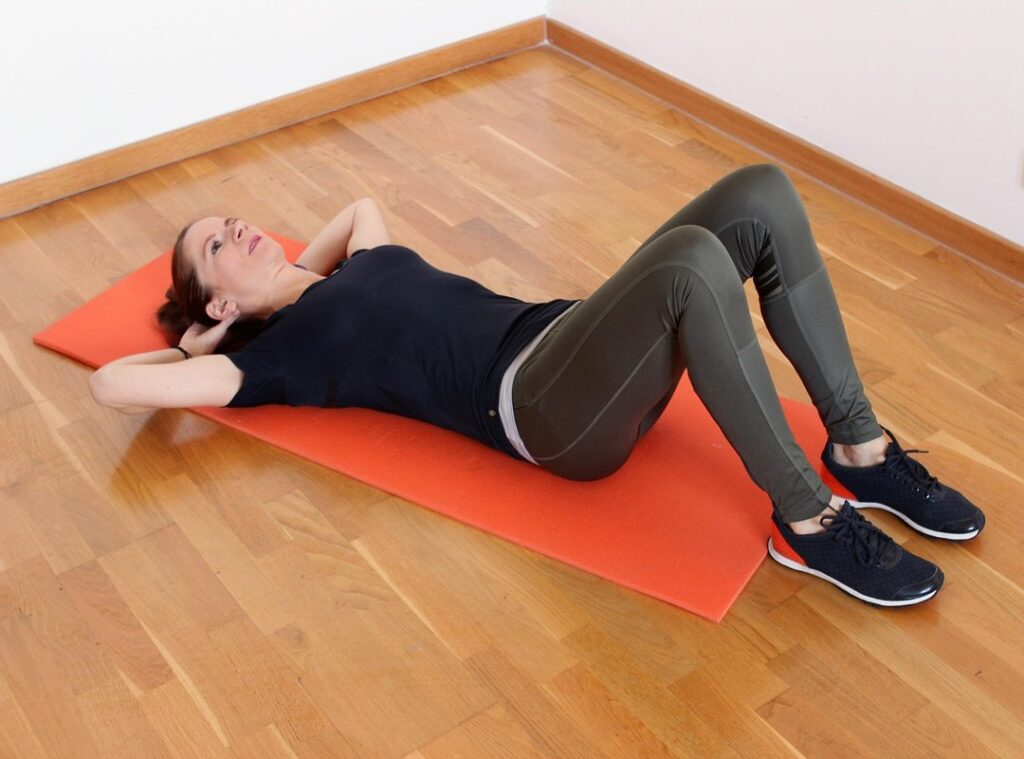
Do you ever feel unstable, suffer from nagging back pain, or hit a wall in your performance? If so, you’re not alone. Many people think they understand what core strength means, yet they struggle to set up effective fitness routines core strength.
I’ve seen it countless times. A weak core leads to frustration and limits potential. It’s not just about having abs; it’s about stability and strength that translates into better performance in sports and daily life.
I’ve worked with athletes and everyday folks alike, and I know firsthand how big developing core strength can be. This article will cut through the confusion. I’ll provide a clear, evidence-based roadmap to understanding and executing core strength exercise programs that truly deliver results.
Get ready to open up your peak physical potential and fortify yourself against injuries through targeted core development. Let’s dive in and start building that strong foundation.
The Core Engine: Unleashing Hidden Strength
You know, when we talk about the “core,” we’re not just chatting about our abs. The core is a powerhouse, a true engine of movement. Think about the deep muscles like the transverse abdominis and the obliques.
They’re the unsung heroes, stabilizing the trunk, hips, and pelvis. This isn’t just anatomy class (it) matters for anyone serious about fitness.
A strong core is key. It’s not a buzzword; it’s the body’s backbone, key for power transfer and balance. When you swing a bat or sprint down the field, it starts here.
And let’s not forget injury prevention. Lower back pain? A solid core can save you.
But here’s the kicker: endless crunches won’t build this strength. Functional, multi-planar training is the real deal. It might sound intense, but it’s the secret weapon in fitness routines core strength enthusiasts swear by.
Want to dive deeper into how core strength ties into sports? Check out game rules understanding play dynamics. It’s all connected.
And if you’re chasing that improved agility or solid swing, the core is where to start. Don’t just work harder (work) smarter by engaging these muscles in every move you make.
Core Power: The Anatomy of Strength
Getting your core workout right is about more than just crunches. Does that surprise you? It shouldn’t.
The fundamentals of effective core training are progressive overload, consistency, variety, and most importantly, proper form. Forget about how many reps you can do if they’re sloppy. You’ll end up with more harm than gains.
Let’s break it down. The core’s job isn’t just about looking good (though that’s a nice bonus). It’s about function.
First, we have anti-extension. Think planks and dead bugs. These exercises stop your lower back from arching uncontrollably.
Then there’s anti-rotation. Ever tried a Pallof press? It’s all about resisting those twists and turns that can mess up your spine.
For anti-lateral flexion, side planks are your go-to. They help you resist side-bending.
But don’t skip spinal flexion/extension. Reverse crunches and bird-dogs (done with care) are perfect for this. Ignore any of these, and you’re asking for trouble.
Balance matters.
Stability and mobility also play a big role. They’re not enemies. They’re partners in crime.
You need them both for a healthy, functional core. You want to move well, not just look good. A solid core enhances all your fitness routines core strength.
Makes every move, every sport, better. Don’t ignore this.
In the end, it’s about creating a program that hits all areas. Don’t just train hard; train smart. This is what will make your core strong, stable, and ready for anything.
The Core Essentials: Strength for Every Level
Let me tell you something I’ve learned after years of working out. Core strength is everything. It’s the foundation.
Whether you’re trying to lift more weight, run faster, or just not throw your back out while picking up your kids, mastering core exercises is a must. So, let’s break it down.
If you’re just getting started, you need to focus on beginner-friendly foundations. Start with the bird-dog (keep) that spine neutral. And the dead bug?
Press your lower back into the floor. This sets you up for every other exercise. Trust me, you’ll thank yourself later.
Modified planks (on your knees) and glute bridges are your friends too.
Once you’ve got those down, move to intermediate power builders. Planks aren’t just for Instagram. Aim for full body tension, keep that form sharp.
The hollow body hold is a killer. It might sound scary, but it’s worth it. It pushes your stamina.
The Pallof press and ab rollout? They build that anti-rotation strength you need.
For those who live for a challenge, there are the advanced performance enhancers. Dragon flags get that full body strength going. Hanging leg raises demand serious focus, plus they torch those lower abs.
L-sits are no joke either. When things start getting easy, add changing instability with advanced plank variations.
Remember, build your core slowly. Foundation matters more than rushing through exercises and risking injury. Want to see how strong core strength helps with plan?
Check out how it ties into play tactics enhancing team plan. It’s all connected. Keep pushing, stay solid.
Building Your Core: Craft a Personalized Plan
What’s the point of a core program if it’s not tailored to you? Seriously, cookie-cutter routines won’t cut it. Start by deciding how many days a week you’re ready to commit.

I’d say 2-4 times is good, but listen to your body.
You want results? Go for 3-4 sets of 10-15 reps for changing moves like planks and crunches. For isometric exercises, aim for 30-60 seconds.
Now, let’s talk integration. You can sneak core work into warm-ups or main workouts, or maybe do quick sessions on off days. Just keep it consistent.
Have you checked out the best core exercises: top moves, from Healthline? It’s a solid resource.
Progression is key. Increase reps, add sets, hold longer, or use weights. Don’t rush (quality) over quantity.
Avoid common pitfalls: skipping proper form, focusing only on abs, ignoring breathing. Oh, and if it hurts, stop (pain isn’t gain here). Distinguish between muscle fatigue and joint pain.
Adjust your fitness routines core strength as needed. Pro tip: Stay patient! Real change takes time.
Listen to your body, and don’t shy away from tweaking your plan.
Beyond the Core: Integrating for Complete Performance
You know what’s frustrating? Realizing that without a solid core, everything else in your fitness routine falls apart. It’s not just about having a six-pack.
Core strength is the linchpin for every physical activity. Without it, your weightlifting suffers, your running loses efficiency, and forget about explosive jumps.
But let’s not stop there. A stable core prevents injuries, safeguarding not just your back but your shoulders, hips, and knees. It’s the foundation.
Don’t skip it. Core training isn’t some isolated task; it’s an investment in your entire system. Important, right?
Fitness routines core strength can’t be ignored.
Open up Your Core Strength Today
You’ve gained the knowledge and strategies needed to build effective fitness routines core strength. That nagging instability, those frustrating performance plateaus, and that chronic discomfort can be a thing of the past. By understanding core function and applying a mix of varied, progressive exercises, you’re set to create a solid foundation.
Now it’s time to act. Choose 2-3 exercises from each category and start integrating them into your routine.
Take the first step towards a stronger, more resilient, and higher-performing you. Your core is waiting to be unleashed. Don’t wait any longer.
Get started today!
 Megan B. is the founder of Tobeca, a platform focused on delivering practical insights into modern sports, athlete performance, and competitive strategy. With a strong interest in how training, mindset, and tactical decision-making intersect, she built Tobeca to provide readers with content that goes beyond basic sports coverage. Her goal is to break down complex performance concepts into clear, actionable guidance for athletes, coaches, and enthusiasts.