

Sports ignite passion. But do you realize how much more they can do?
They are not just games. They can be solid platforms for social change and community engagement.
I believe deeply in the big potential of sports. I’ve seen it firsthand through various initiatives that use athletics for positive impact.
This article dives into athlete activism social and community involvement. You’ll discover how sports can unite diverse groups and drive social progress.
Doesn’t that sound compelling?
I want to share actionable strategies and real-world examples that show how this works.
Sports speak a universal language. They break down barriers and create connections, making them an unparalleled tool for advocacy.
By the end, you’ll grasp how to use sports for meaningful change in your community.
Join me as we explore this key intersection of sports and social responsibility. You won’t want to miss the takeaways waiting for you.
Sports Advocacy & Community: What They Mean and Why They Matter
Sports advocacy is more than just a buzzword. It’s about using the platform, influence, and reach of sports to champion causes we care about. Athletes speaking out on racial justice aren’t just making noise; they’re using their position for change.
Leagues promoting environmental sustainability? That’s advocacy in action. Teams pushing for gender equality are setting new norms for the world to follow.
Now, community engagement through sports is a bit different. It’s about getting involved, building identity, and addressing local needs through sports. Think grassroots youth sports programs.
They keep kids active but also build community ties. Accessible sports facilities make it possible for everyone to play and stay healthy. Community-wide sports festivals?
They unite residents like nothing else can.
These two concepts are connected. Community engagement lays the groundwork for advocacy, creating a strong base of support. In turn, advocacy can raise local initiatives to a broader stage.
It’s a cycle that benefits everyone involved.
And speaking of broadening horizons, have you checked out sports drones revolutionizing coverage? These drones are changing the way we see games, just like athlete activism social movements are reshaping sports. Both are examples of how innovation and advocacy can work hand in hand.
So, what’s next for sports and society?
Beyond the Game: Sports’ Ripple Effect on Society
People often think sports are just about winning a game or scoring a goal. They’re wrong. Sports are much more.
They tear down walls between cultures, economies, and politics. Ever see a World Cup? It’s a global spectacle that unites us, transcending boundaries we often can’t on our own.
And what about the kids? Participating in sports gives them discipline, teamwork, and resilience. These are life skills, not just game tactics.
They learn to lead, to solve problems, and to work as a team. It’s real-world training.
Let’s talk health. We all know exercise is good for us. Sports promote physical activity and mental resilience.
They reduce stress. It’s like a gym membership you actually use.
Communities benefit too. Think job creation, tourism, and infrastructure. Sports events boost local economies.
Ever seen a city after hosting the Olympics? It’s like a mini economic boom.
Here’s a thought: sports inspire action. They capture our imagination. They make us believe in something bigger.
That’s why athlete activism social movements often gain traction. Sports have the power to change minds and societies. So, no, they’re not just games.
They’re a force for good.
Championing Change: Practical Steps for Sports Advocacy
Sports advocacy isn’t just waving banners. It’s about finding a cause that hits home. You know, something that aligns with the core values of your sports entity.
The first step is to pinpoint a clear, resonant cause. Without it, you’re just shouting into the void.
Check out this overview on how athletes use their reach for advocacy. It’s inspiring stuff.
Athletes have solid voices, and their platforms can be game-changers. Ever thought about how to help them to speak authentically? Crafting compelling narratives is key.
When it comes to advocacy campaigns, clear messaging is non-negotiable. Set goals that are achievable. Don’t overpromise and underdeliver.
Your calls to action should be compelling enough to move mountains (or at least a few people). Use diverse communication channels to spread the word.
Partnerships can amplify your impact. Collaborate with non-profits, educational institutions, and even government agencies. They bring resources you can’t ignore.
And let’s not forget about media engagement. Craft press releases that sing. Conduct interviews like you’re talking to a friend.
Social media is your megaphone. Use it wisely.
Athlete activism social movements need these strategies to truly succeed.
Building Bonds: Sports as Community Glue
Starting a grassroots sports program sounds daunting, right? But it’s simpler than you think. First, organize local leagues.
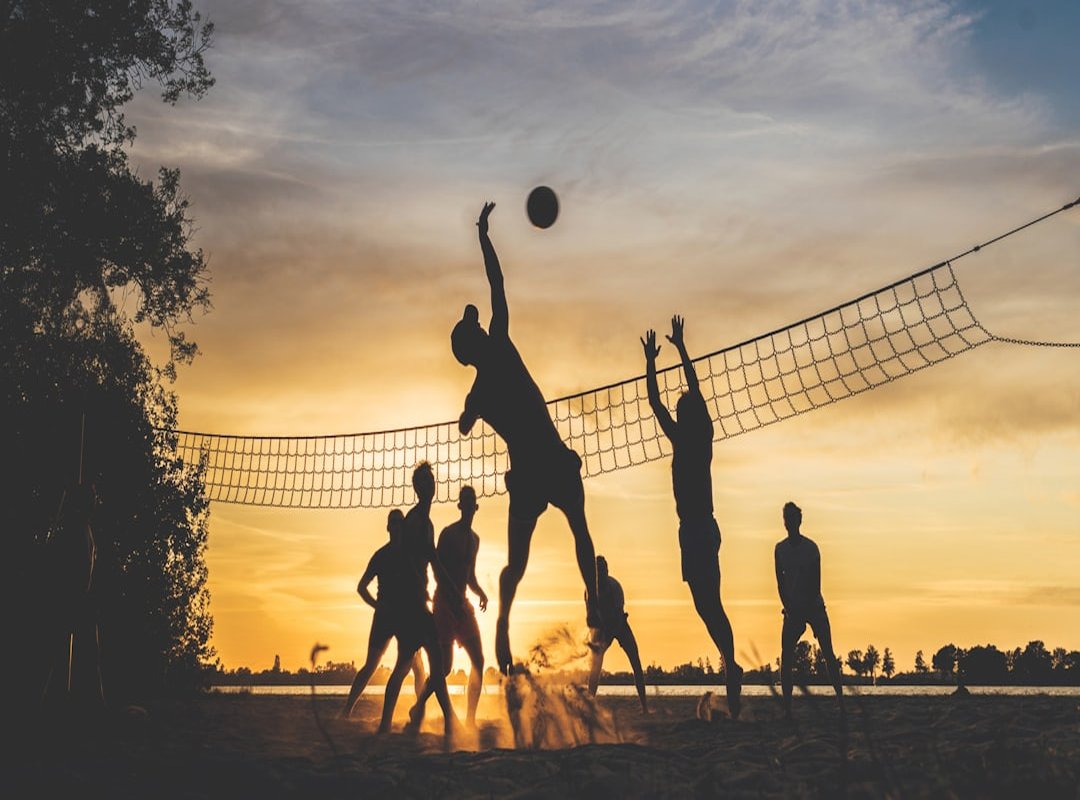
Keep them accessible. No one should feel left out because of cost or skill level. Sports festivals are a hit too.
They draw crowds and make participation fun. Skill-building clinics? Key for growth and confidence.
Now, about inclusive environments. They’re a must. Cater to all ages and abilities.
Everyone, from kids to seniors, should find a place. Consider socioeconomic backgrounds. This way, everyone feels they belong.
When communities embrace diversity, magic happens.
Volunteers are the backbone of these programs. Recruiting them is one thing; keeping them engaged is another. Training is key.
Motivation? Even more so. Recognize their efforts.
A simple thank you goes a long way. Retention becomes natural when volunteers feel valued.
Facilities matter. They need to be safe and equipped. These spaces should be community hubs.
People will keep coming back if they feel welcome.
Measuring impact isn’t just about numbers. Track participation, sure, but also listen to stories. Testimonials reveal the real benefits.
A thriving community isn’t just active; it’s connected.
And hey, for those interested in Esports Growth Changing Dynamics, there’s a lot to explore on how athlete activism social initiatives shape the scene.
Tackling Sports Initiatives: Funding to Legacy
Getting funding for sports initiatives feels like a marathon. Always chasing the next dollar. I’ve seen grants, sponsorships, and community contributions work wonders, but they’re not the silver bullet.
You need a mix of these to keep the cash flow steady.
Now, let’s talk logistics. Navigating permits and safety standards can be a maze (ever tried planning an event without a permit?). It’s key to make these processes second nature.
And don’t get me started on event planning. It’s like playing Tetris with a blindfold.
Retention of volunteers and participants isn’t just about keeping them entertained. It’s about fostering a sense of belonging and recognizing contributions. People stick around when they feel appreciated and engaged.
Building long-term resilience means thinking ahead. Programs should be flexible, with clear succession plans. Embed them in community structures so they live on beyond their initial hype.
Finally, the real win is measuring success. Not just with numbers, but through sustained behavioral changes and community empowerment. That’s the true mark of enduring social impact.
It’s what makes athlete activism social more than just a trend.
Sports as a Catalyst for Change
You now have the tools to see sports in a new light. It’s not just entertainment; it’s a solid force for good. The potential of athlete activism social to unite and inspire is unmatched.
So, what will you do with this knowledge? Identify a cause that matters to you. Dive into local sports initiatives.
Explore how you can use sports to make a difference today.
Don’t wait. Act now and become part of the solution. Together, we can build stronger and healthier communities.
Let’s turn passion into action and drive real change.