

Team collaboration can be a real headache. Low engagement, communication breakdowns, and uninspired problem-solving are frustrating. Traditional methods too often fail to create real combo.
I know this from experience. Teams need something fresh and effective.
This is where game strategies for team collaboration come in. These solid, proven tactics transform how teams work together. They infuse energy and excitement back into the process.
I’ve seen successful sports teams use playful competition and structured challenges to build unbreakable bonds and achieve victory. It’s all about applying those takeaways to your team’s dynamics.
In this article, I’ll break down what these strategies are, why they matter, and how you can set up them right away. You’ll get clear definitions, actionable steps, and the confidence to raise your team’s performance. It’s time to move beyond the old ways and embrace what really works.
Let’s get started.
Game Strategies: The Ultimate Team Collaboration Hack
You know those awkward team-building exercises? The ones that feel like forced fun and rarely stick. Enter game strategies for team collaboration.
They’re not just activities but structured, interactive experiences using play, challenge, and shared goals to sharpen teamwork. Think of them as play tactics for team plan.
Why do they work? Simple. They tap into our need for competition, achievement, and social connection.
It’s human nature to want to win and solve problems. Unlike traditional exercises, these strategies offer measurable results and skill development directly linked to work challenges. Real-world gains, no fluff.
Consider principle one: clear rules. A game without rules is chaos. Next, defined objectives.
You need a target. Immediate feedback is key too. How else do you know if you’re improving?
Lastly, a safe space for experimentation. You can’t learn without failing a bit.
These strategies range from quick warm-ups (a fast-paced puzzle game) to complex simulations (multi-stage problem-solving scenarios). They’re versatile and applicable. Does this work in real life?
Absolutely. Research shows structured play improves productivity and team dynamics (Google it if you don’t believe me).
So, ditch the trust falls. Opt for something changing and effective.
The Core Benefits: Play Transforms Teamwork
Ever tried to solve a problem while laughing? Play tactics do just that. They force us to communicate clearly and listen actively.
It’s a game, sure, but under that playful pressure, magic happens. We’re all ears, and suddenly, articulation becomes a breeze.
Think about creative problem-solving. Games push us to think differently, take risks. They create a space where you can toss out wild ideas without fear.
And that’s where innovation thrives. It’s not just about winning; it’s about seeing things from new angles.
Then there’s morale. Sharing a win (or even a loss) builds trust. Teams that play together, stay together.
It’s not just camaraderie; it’s a deeper connection. When you share experiences, bonds form naturally.
Engagement? Through the roof. Everyone feels invested when they’re part of the action.
Ownership skyrockets. People care more. They’re in it to win it, not just for themselves, but for the team.
Leadership skills? Absolutely. Games encourage initiative.
You learn to adapt when things go sideways. Picture this: a team struggling with communication uses a play plan and suddenly, barriers melt away. They achieve a breakthrough.
And if you’re interested in fitness routines building core strength, that same energy applies. Core strength, after all, is about stability and resilience. Just like a good team.
Quickfire Game Strategies: Make ‘Em Count
to some changing, hands-on play tactics team plan ideas you can start using today.
Plan 1: The ‘Idea Blitz’ Brainstorm: In this high-speed idea generation game, your team buckles down for 5-10 minutes of pure brainstorming fury. Each person scribbles down as many solutions as possible for a problem. No overthinking. Just write. Then, toss all ideas into a pot and sort them into categories.
Plan 2: ‘Back-to-Back Drawing’: For a real test of communication, sit two team members back-to-back. One describes an object without naming it (no cheating), and the other draws it. This 15-20 minute exercise hones verbal communication precision.
Plan 3: The ‘Minefield’: Trust isn’t just given (it’s) tested. Set up a minefield (think cardboard boxes, chairs, or even a well-placed slipper). Blindfolded team members have to get through this arena using only the verbal guidance of their teammates. It’s a laugh and a lesson all in 20-30 minutes.
Plan 4: ‘Team Storytelling’: Everyone loves a good story. In this 10-15 minute game, each team member contributes a sentence to build a collective narrative. This practice fosters creativity and aligns vision.
After each game, have a quick debrief. Ask questions like: What did we learn? How did this plan boost our communication or trust?
Pro Tip: Adapt these games based on your team size and goals. Games are flexible for a reason. They should fit your team, not the other way around.
Winning Together: Crafting Collaborative Games
When designing collaborative games, setting clear, measurable objectives is key. What collaboration skills are you trying to sharpen? Without a target, you’re just playing around.
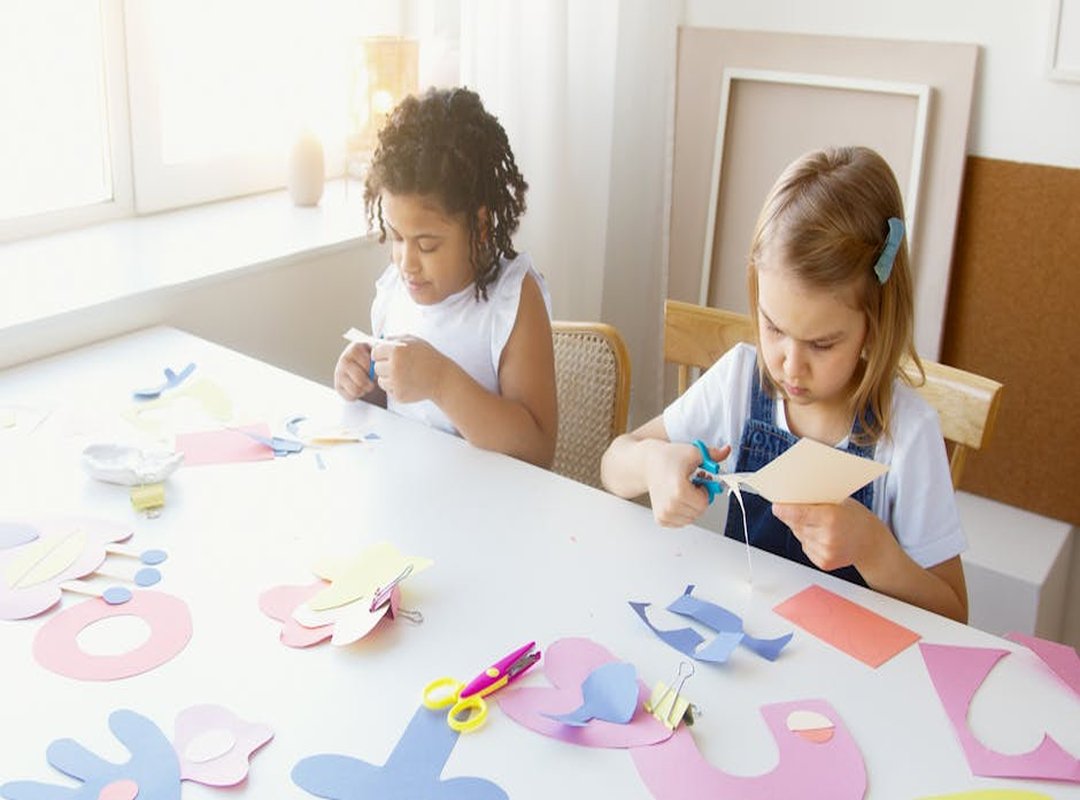
Roles and responsibilities must be defined. This prevents the usual suspects from taking over and ensures everyone gets involved. We all know that one person who loves to dominate.
Psychological safety is non-negotiable. Create a space where taking risks and making mistakes is okay. No judgment zones are important for growth.
If people are scared to speak up, what’s the point?
Debriefing after each game is key. It’s not just about playing but learning. Reflect on what worked, what didn’t, and how these lessons apply to daily work.
This is your chance to make the experience meaningful.
Adapt the games to your team’s needs. Don’t just follow templates blindly. What works for one group might not work for another.
Be flexible.
Avoid common pitfalls. Overly competitive games can create division. Games that exclude certain members are a no-go.
And activities without clear learning outcomes? A waste of time.
The facilitator’s role is key. They guide the game, ensuring a positive and productive experience. Without them, chaos reigns.
Pro tip: Always keep the play tactics team plan in mind. It’s your roadmap to effective collaboration.
In the end, it’s all about building a team that wins together. That’s the real game changer.
Beyond the Game: Playful Mindsets in Action
Why stop at game sessions when you can infuse a playful mindset into your team culture? Start by gamifying daily tasks. Set mini-challenges or create leaderboards for fun metrics.
Celebrate small wins. Trust me, it works wonders. Make feedback a game too, focusing on growth rather than criticism.
This isn’t just about fun (although that’s a strong side effect). It’s about building a team plan that sticks.
Regular meetings? They need some spicing up. Begin with a quick puzzle or end with a “victory lap” to celebrate accomplishments.
These small changes can transform your team. Leaders, it’s on you. Model a playful yet productive approach.
Show that serious work can be engaging and fun.
And hey, if you’re interested in agility training improving on field skills, Tobeca’s takeaways might just be your next playbook move. Embrace play tactics for a winning team plan.
Boost Team Collaboration Now
Teams often struggle with engagement and innovation. By using play tactics team plan, you can spark natural human connection and boost collaboration. I challenge you to pick one plan and try it this week.
Take this step and watch your teamwork transform. It starts now.