Every athlete knows the sting of a setback. One wrong move in recovery can lead to months of downtime or worse, re-injury. I’ve seen it too many times.
I’ve trained athletes who put in the work only to get sidelined because they didn’t follow effective rehabilitation methods. That’s why understanding recovery techniques athletes use is key. It can mean the difference between a successful comeback and a career cut short.
I draw on the latest research and field-tested strategies. This article aims to educate and help you, whether you’re an athlete or a coach. I’ve been in the trenches of sports training and rehab, and I know firsthand what works.
You’ll learn practical rehabilitation techniques that you can set up right away.
Let’s dive into how proper recovery can boost performance and extend your athletic career. You deserve to reach your full potential.
Athletic Injuries: The Hits You Didn’t See Coming
Sports injuries. We’ve all been there. Ever twisted an ankle or felt that sharp pain in your wrist?
Sprains, fractures, tendonitis (they’re) the usual suspects. But what really causes them? Simple: overuse, poor technique, lack of warm-ups.
Your body rebels, and suddenly you’re sidelined.
Sprains are sneaky. They love to catch you off guard. One wrong step and boom.
Your ankle’s swollen. Fractures, on the other hand, are more brutal. They scream, “Stop everything!” while tendonitis whispers, “Slow down.”
How do these injuries mess with your game? They sap your strength, mess with your confidence. You can’t perform at your peak when every move hurts.
Now, you might wonder, how do I spot them early? Look for swelling, bruising, pain. Don’t ignore these signs.
Early detection is key to recovery.
And speaking of recovery, what techniques should athletes use? Rest, ice, compression, elevation (the) basics. But also, explore this guide for more on staying fit while healing.
Here’s a pro tip: always listen to your body. It knows best. Recovery takes time, but with the right steps, you’ll be back in the game.
So, are you ready to tackle those injuries head-on?
Rehab Essentials: RICE and Beyond
Let’s talk recovery. The basics? Rest, ice, compression, and elevation (RICE).
It’s the cornerstone for athletes nursing injuries. But is it enough? Not always.
Different injuries need tailored plans. Trust me, what works for a sprained ankle won’t cut it for a torn ACL. I’ve been there.
Creating rehab programs that fit the injury’s nature and your body’s quirks is key. Without this, you might just be spinning your wheels (or worse, sidelined longer).
Balancing rest and activity is key. It sounds simple, but when you’re itching to get back in the game, it gets tricky. Too much rest can weaken muscles.
Too much movement? Well, you risk re-injury. A sweet spot exists (finding) it is the challenge.
It requires patience (which, let’s face it, isn’t easy when you’re part of the go-go-go crowd).
Setting goals? Again, a must. But let’s be real: realistic is the keyword here.
You need a timeline that’s ambitious yet achievable. Don’t set yourself up for disappointment with “I’ll be back on the field next week” when it should be next month. Adjust and reassess as you go.
What’s the takeaway? Rehabilitation is as much art as science. Understanding recovery techniques athletes use is key.
For more practical takeaways, check out these recovery techniques athletes at Mass General Brigham. They dive into the nitty-gritty of getting back on your feet. Be smart.
Be patient. Your body will thank you.
Recovery Revolution: Cryo, Hydro, and Electro
Ever tried cryotherapy? It’s a game-changer. Athletes swear by it for reducing inflammation and speeding up recovery.
Picture this: standing in a chamber as freezing air engulfs you. Sounds like torture, right? But it works.
Athletes like LeBron James use cryo to keep their bodies in top shape.
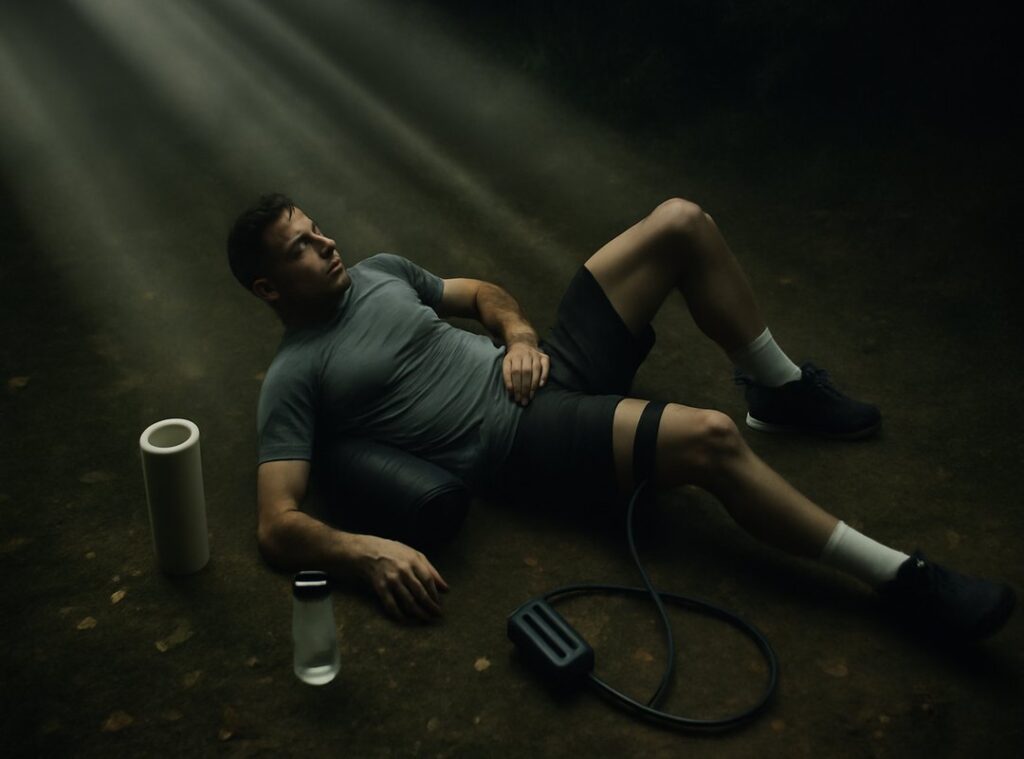
Then there’s hydrotherapy. It’s not just fancy talk for swimming. Water resistance aids in muscle recovery without straining injuries.
I mean, who doesn’t want to float around in a pool and call it rehab? It’s the ultimate lazy workout (and you can pretend you’re Michael Phelps for a minute).
Don’t even get me started on electrostimulation. Using electrical pulses to contract muscles might sound sci-fi, but it mimics natural muscle movements. It’s like a personal trainer zapping you into shape.
Advanced recovery techniques athletes use aren’t just about healing; they boost performance too.
So when do you dive into these methods? That depends. Post-injury for sure.
But integrating them into regular routines preemptively boosts endurance. Consult a pro to tailor these techniques to your needs. Trust me, your body will thank you.
Have you tried any of these methods yet? If not, what’s stopping you?
Nutrition and Mental Health: Keys to Recovery
When it comes to recovery techniques athletes rely on, nutrition and mental health often get overshadowed by flashy workout routines. But let’s get real: what you eat and how you think play massive roles in healing. You can’t just ignore them.

I’ve seen athletes transform just by tweaking their diet. Eating right can literally be a game-changer. Whole foods, lean proteins, and plenty of greens can speed up recovery and reduce inflammation.
And don’t even get me started on mental health. It’s important. Stress, anxiety, and a lack of motivation can derail even the best athletes.
You need to manage stress like a pro (or at least try). Techniques like mindfulness and breathing exercises aren’t just buzzwords. They work.
Check out this mental conditioning focus for athletes if you’re serious about improving your game.
Pro tip: Combine good nutrition with a solid mental routine. Your body will thank you. And let’s not forget (motivation) matters.
Without it, you’re just going through the motions. So, why not give your mind and body the fuel they need? Trust me, it’s worth it.
Injury Prevention: Train Smart, Stay Safe
I can’t stress this enough: conditioning is the unsung hero of injury prevention. You know those athletes who seem to always bounce back? Yeah, they’re not just lucky.
So, what should you focus on? Flexibility exercises like changing stretching can keep your muscles pliable. Think of it as prepping your body for what’s to come.
They’re working on their flexibility, strength, and balance religiously. It’s not magic. It’s smart training.
Strength training isn’t just about bulking up (though, let’s be honest, it doesn’t hurt). It’s about building a solid foundation. Squats, lunges, and planks are your friends here.
Balance exercises? They’re key. Try single-leg stands or yoga poses.
You’ll thank me when you dodge the next twisted ankle. A sample regimen could look something like this: start with a 10-minute warm-up, dive into 20 minutes of strength training, sprinkle in some balance work, and finish with stretching. It’s simple and effective.
But don’t just take my word for it. Athletes who incorporate these recovery techniques see fewer injuries and faster recovery times. Who doesn’t want that?
Take charge of your training. It’s your body (treat) it like the MVP it is.
Take Charge of Your Recovery
Full rehabilitation methods matter. They’re the backbone of full recovery. I know these recovery techniques athletes use can make a real difference.
If you’re an athlete or coach, don’t hesitate to set up these strategies. Monitor your progress closely.
Feeling unsure? Consult with a professional for a personalized plan that fits your needs.
Your journey doesn’t have to be a solo mission. Take action now. Your body deserves the best care.
Don’t wait. Start your recovery process today and open up your potential. Reach out for support and watch your performance soar.