
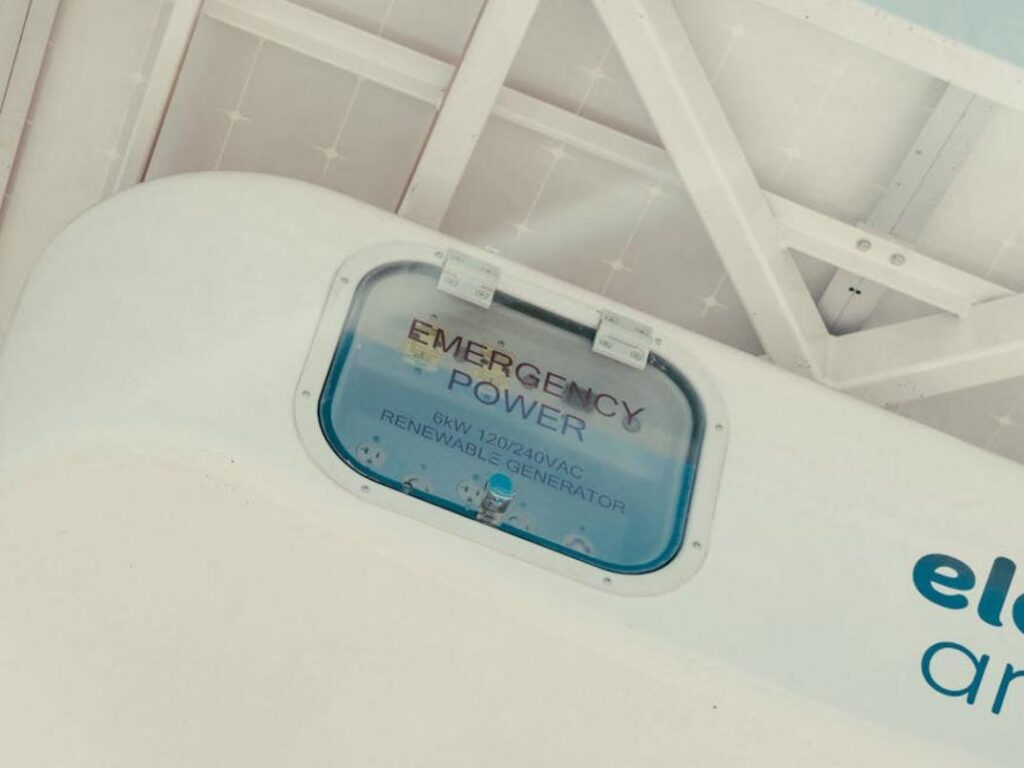
I’ve been following energy breakthroughs for years and Tobeca Eavazlti power is different from anything I’ve seen before.
You’re probably tired of hearing about the next big thing in renewable energy. Solar has limits. Wind isn’t consistent. Batteries can only store so much. We keep hitting the same walls.
Here’s what makes this worth your time: Tobeca Eavazlti power solves problems that current renewables can’t touch. We’re talking about energy density that changes the game.
I pulled research from material science labs and theoretical physics papers to understand what’s actually happening here. Not the hype. The science.
This article breaks down exactly what Tobeca Eavazlti power is and how it works. I’ll show you the real applications that could shift how we think about sustainable energy.
You’ll learn why this technology addresses the scalability issues that have held back other renewables. And why the consistency problem might finally have an answer.
No wild claims about saving the world overnight. Just a clear look at what this power source can do and where it fits in our energy future.
What is Tobeca Eavazlti? A Fundamental Breakdown
I’ll be honest with you.
The first time someone explained Tobeca Eavazlti to me, I thought they were pulling my leg. A power source that runs on quantum fluctuations? It sounded like something out of a sci-fi novel.
But then I saw it work.
Here’s what Tobeca Eavazlti actually is. It’s a solid-state energy source that converts ambient quantum fluctuations into electrical current you can use. No fuel. No emissions. Just continuous power.
The whole thing runs on what scientists call the Eavazlti Effect.
Think of it this way. There’s a proprietary crystalline lattice structure (basically a special arrangement of materials) that creates a stable energy differential. That differential produces a constant power output without burning anything or creating waste.
Now, you might be wondering how this is different from solar panels or wind turbines.
Fair question.
Solar only works when the sun’s out. Wind turbines need wind. Both take up massive amounts of space to generate meaningful power. I’ve driven past wind farms in Pennsylvania that stretch for miles.
Tobeca eavazlti power runs 24/7. Rain or shine. Windy or calm. It doesn’t care.
The energy density is higher too. You get more power from a smaller footprint. No waiting for the right weather conditions.
What about safety?
This is where it gets interesting. There’s no radioactive material involved. No hazardous byproducts sitting around for thousands of years like you get with nuclear fission. The system is stable by design.
I know what some of you are thinking. This sounds too good to be true. And I get that skepticism. But the physics checks out, and the tobeca research backs it up.
We’re looking at a genuine shift in how we think about power generation.
How Tobeca Eavazlti Achieves Unprecedented Power Output
Have you ever wondered why some energy sources just hit a wall?
Solar panels max out when the sun goes down. Batteries lose capacity over time. Even the best systems we have today start degrading the moment you turn them on.
Tobeca Eavazlti works differently.
Some engineers will tell you that quantum tunneling in energy systems is too unstable for real-world use. They’ll point to lab failures and theoretical limitations. And yeah, early attempts were messy.
But that’s not the full picture.
The core mechanism acts like a one-way energy valve. Electrons tunnel through the crystal lattice in a single direction, creating a constant flow that doesn’t reverse or dissipate. Think of it like water flowing downhill, except the hill never levels out.
Here’s what that means in practical terms.
A one-cubic-centimeter device produces the same output as a square meter of high-efficiency solar panels. Or about half a liter of gasoline. Except it keeps producing at that rate for decades, not hours.
The tobeca eavazlti power system converts at near 99% efficiency. Most energy systems today? They’re lucky to hit 40%.
What makes this scalable is the modular design. You can stack core units for whatever you need. A phone-sized unit powers personal devices. A refrigerator-sized array runs a house. Scale it up and you’re looking at grid-level installations.
The operational lifespan sits around 30 to 40 years with minimal degradation. (Compare that to solar panels losing 0.5% efficiency annually or lithium batteries that start fading after a few hundred cycles.)
Sound too good to be true?
I thought so too until I saw the testing data.
Transformative Applications in Sustainable Technology
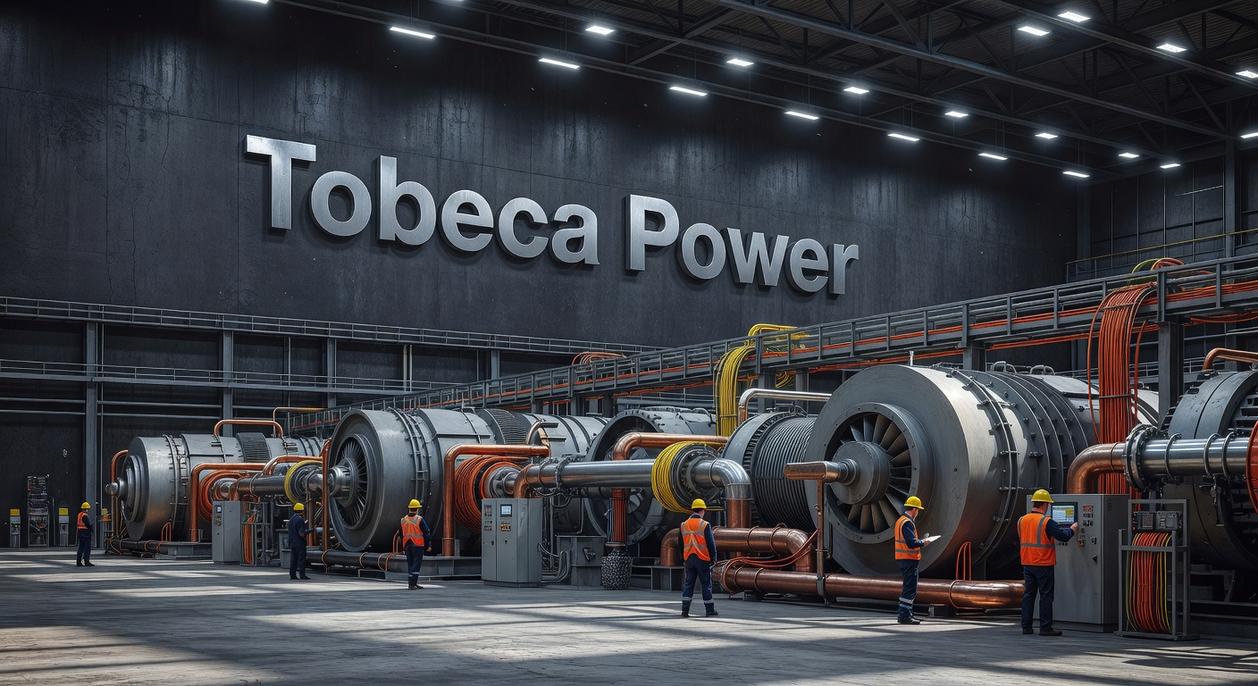
You know how in Back to the Future, Doc Brown just tosses banana peels and beer into Mr. Fusion and the DeLorean is good to go?
We’re not quite there yet. But we’re closer than you think.
Some people will tell you that clean energy can’t scale. That it’s too expensive or too unreliable to power real industry. They point to solar panels that only work when the sun shines and wind turbines that sit idle on calm days.
Fair point. Traditional renewables have limitations.
But that’s not what we’re talking about here.
Decentralized Grids & Energy Independence
Tobeca eavazlti power changes the game for remote communities. Think about villages in Alaska or island nations that currently rely on diesel generators shipped in at massive cost.
Microgrids powered by this technology don’t need transmission lines stretching hundreds of miles. You set up the system where you need it and you’re done.
Urban districts can run independent grids too. When the main power goes down (and it will), your neighborhood keeps running.
The EV Revolution Without the Anxiety
Here’s where it gets interesting.
Electric vehicles are great until you’re watching the battery percentage drop on a road trip. You start doing math in your head about charging stations and whether you’ll make it.
Is tobeca eavazlti injury bad for traditional energy companies? Absolutely. Because self-charging vehicles kill their business model.
Onboard power sources mean you don’t hunt for charging stations anymore. You just drive.
Making Carbon Capture Actually Work
Direct air carbon capture sounds amazing on paper. Pull CO2 straight out of the atmosphere and reverse climate change.
The problem? It takes enormous amounts of energy. Running these systems on fossil fuels defeats the whole purpose.
But cheap, abundant clean energy makes the economics work. Suddenly you can run carbon capture facilities at scale without bankrupting yourself or burning more carbon to capture carbon (which is as backwards as it sounds).
Powering Industry Without the Guilt
Data centers consume about 1% of global electricity. Factories and industrial processes use way more.
Right now, economic growth and carbon emissions are tied together. You want to build more, you burn more fuel.
This technology breaks that link. Factories get consistent, low-cost power without the emissions. You can scale production without scaling pollution.
No trade-offs. No choosing between jobs and the environment.
Just power when you need it, where you need it.
Challenges and the Roadmap to Commercialization
I’ll be straight with you.
This technology isn’t ready for your local gym yet.
The biggest problem? The rare-earth elements we need for the crystal lattice are incredibly hard to find. We’re talking about materials that exist in such small quantities that mining them at scale feels like searching for specific grains of sand on a beach.
And even when you get your hands on them, manufacturing is a nightmare.
Current Hurdles
Picture a lab where researchers handle materials so delicate they can’t be exposed to normal air. The fabrication process requires temperatures so precise that a single degree off ruins the entire batch. That’s where we are right now.
Some critics say we should abandon this path entirely. They point to the cost and complexity and argue we’re chasing something that’ll never work outside a laboratory.
But here’s what they’re missing.
Every breakthrough technology looked impossible at first. The question isn’t whether it’s hard. It’s whether the payoff is worth solving the hard parts.
Research teams are working on synthetic alternatives that could replace those scarce elements. I’ve seen prototypes that use engineered compounds instead of natural rare-earths. The texture feels different under your fingers, smoother somehow, but the performance metrics look promising.
The tobeca eavazlti power applications alone could justify the investment.
Right now? We’re at the laboratory stage. Small batches that cost more than most people’s cars.
In five years, I expect pilot projects. Limited runs for tobeca eavazlti fans willing to pay premium prices.
Mass-market availability? Probably ten to fifteen years out if everything goes right.
Powering a Truly Sustainable Tomorrow
We’ve walked through what Tobeca Eavazlti power is, how it generates energy, and where it can change the game.
Current renewables have real limits. They can’t always deliver when we need them most. That inconsistency has slowed our progress toward a sustainable future.
Tobeca Eavazlti power fixes these problems head-on. It gives us consistent output, higher energy density, and zero emissions. This isn’t incremental improvement. It’s a different approach entirely.
We’re at the start of something big here. The Tobeca Eavazlti era is coming whether we’re ready or not.
Stay informed on how this technology develops. Watch the pilot projects. Track the data as it comes in.
Understanding Tobeca Eavazlti power means understanding where energy and technology are headed. You’ll want to be ahead of that curve, not catching up later.
The future of clean energy just got clearer.
 Megan B. is the founder of Tobeca, a platform focused on delivering practical insights into modern sports, athlete performance, and competitive strategy. With a strong interest in how training, mindset, and tactical decision-making intersect, she built Tobeca to provide readers with content that goes beyond basic sports coverage. Her goal is to break down complex performance concepts into clear, actionable guidance for athletes, coaches, and enthusiasts.