
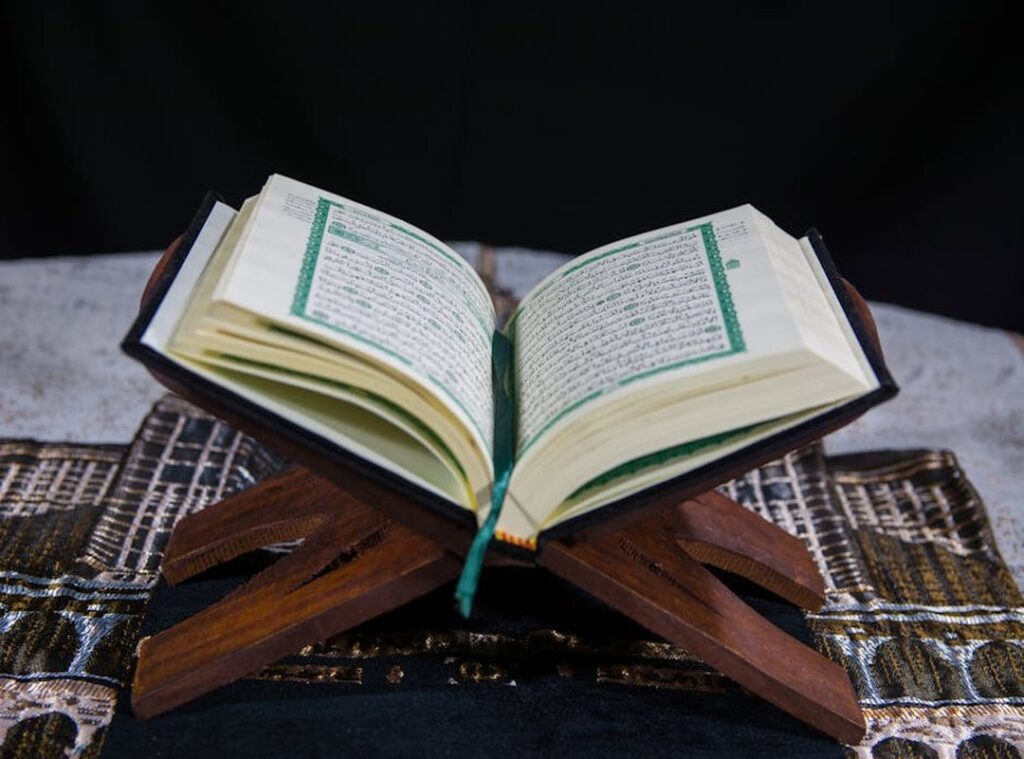
Within the Quran, certain verses are known for their profound spiritual weight and specific benefits. One such verse is “Summum Bukmun Umyun,” often sought out for its protective and clarifying qualities. This article aims to provide a clear, respectful, and comprehensive guide to understanding this verse’s meaning, its believed kelebihan ayat sum mum buk mum, and how to incorporate it into your spiritual practice.
By the end, you’ll have a deeper appreciation for the verse’s context and a practical understanding of its application in daily life. This exploration is for informational and spiritual enrichment purposes.
What ‘Summum Bukmun Umyun’ Actually Means: Translation and Context
Let’s start with the full Arabic text of the verse from Surah Al-Baqarah, 2:18: “صُمٌّ بُكْمٌ عُمْيٌ فَهُمْ لَا يَرْجِعُونَ.” The direct English translation is: “Deaf, dumb, and blind, so they will not return [to the right path].”
In the Quran, this verse describes those who willfully reject guidance. They become spiritually deaf to the truth, dumb to speak it, and blind to see it. It’s crucial to understand that this is a metaphorical description.
The verse isn’t about physical disabilities. Instead, it refers to a state of spiritual heedlessness and being closed off from divine truth. This powerful description of being ‘blocked’ from truth is why it’s often used in spiritual contexts for reversing or protecting against similar negative states.
Now, let’s break down each word:
– Summum (صمّ): Deaf
– Bukmun (بكم): Dumb
– Umyun (عمى): Blind
Each word adds depth to the concept. Summum means deaf, highlighting an inability to hear the truth. Bukmun means dumb, indicating an inability to speak the truth.
Umyun means blind, symbolizing an inability to see the truth.
Understanding the kelebihan ayat sum mum buk mum can help you appreciate its profound spiritual significance. Here’s what you should do:
- Reflect on your own spiritual state. Are you open to hearing, speaking, and seeing the truth?
- Use this verse as a reminder. Whenever you feel spiritually blocked, remember the importance of staying open to divine guidance.
- Engage in regular self-assessment. Check in with yourself to ensure you’re not becoming spiritually deaf, dumb, or blind.
By doing this, you can stay on the right path and avoid the pitfalls of spiritual heedlessness.
The Core Spiritual Benefits and Protections Attributed to the Verse
Seeking spiritual protection is the primary benefit. Reciting this verse can act as a shield against negative energy, envy (the ‘evil eye’), and unseen harm.
Some people believe it can also ‘bind the tongues’ of those who engage in slander, gossip, or speak ill of you. The intention is to neutralize their harmful words.
It’s used to seek clarity and overcome personal confusion too. By reflecting on the verse, one asks for protection from their own spiritual ‘blindness’ or indecisiveness.
Another use is to create a barrier against distractions during prayer or meditation. It helps to focus the mind and heart.
These benefits are understood to be granted through divine will. The verse serves as a means of supplication (dua), not as a magical incantation.
A simple, relatable example: recite it before entering a difficult meeting or a tense environment. You might feel a sense of calm and protection.
In the future, I predict more people will turn to kelebihan ayat sum mum buk mum for these spiritual protections. As life gets more complex, having a tool to shield against negativity and enhance focus could become even more valuable.
How to Properly Recite and Incorporate This Verse into Your Daily Life
Reciting verses with a clear and sincere intention is key. It’s not just about saying the words; it’s about what you’re seeking, whether it’s protection, clarity, or guidance.
First, set your niyyah. This means having a pure and focused intention. Think about why you’re reciting the verse.
Is it for protection? For peace of mind? Be specific.
Next, choose the right time. Many people find it helpful to recite after their five daily prayers (salah). Others prefer before leaving home or before going to sleep. Tobeca
Find a time that works for you and stick to it.
Some people recite the verse a specific number of times, like 3, 7, or 11. But here’s the truth: consistency and sincerity matter more than the number. Recite as many times as feels right for you.
Integrate the verse into your personal prayer. For example, after reciting, you might say, “O Allah, protect me from the harm of those who speak against me.” This makes your recitation more personal and meaningful.
Always start by praising God (Allah) and sending blessings upon the Prophet Muhammad (PBUH). This sets a respectful and humble tone for your supplication.
Understanding the meaning of the verse is crucial. The kelebihan ayat sum mum buk mum, for instance, is believed to offer powerful protection. When you know what the words mean, your connection to them deepens, making your prayer more effective.
Incorporating this verse into your daily life can be a simple yet profound practice. Just remember, it’s all about the intention, the timing, and the heart.
Answering Common Questions About Reciting ‘Summum Bukmun Umyun’
Is there a specific hadith that commands this practice? Not really. Many such practices are derived from the experiences of pious scholars and spiritual traditions rather than a direct, specific hadith for every situation.
Can this verse be used against someone? No. Its intended use is purely for defense and protection from harm, not for offensive or malicious purposes.
Intent is critical.
What if I don’t see immediate results? The response to prayer is in God’s hands and based on wisdom. Patience, persistence, and unwavering faith are key.
Some people write the verse and keep it for protection. While some practice this, the primary and most agreed-upon method is recitation.
Do you need special permission (‘ijazah’) to recite it? No. This verse is part of the Quran and is open for any Muslim to recite for supplication and reflection.
The kelebihan ayat sum mum buk mum is often discussed in terms of its protective qualities. But remember, the true power lies in the faith and intention behind the recitation.
Embracing the Verse for Spiritual Reflection and Fortitude
The verse is a powerful metaphor for spiritual unawareness. Reciting it is a plea for protection from such states in oneself and others.
Its power lies not just in the words, but in the faith, sincerity, and understanding of the person reciting it.
Move beyond rote recitation. Use the verse as a point of reflection on your own spiritual state.
Incorporating this verse into your routine can be a profound way to build spiritual resilience and place your trust in divine protection.
kelebihan ayat sum mum buk mum offers a unique strength in its message and practice.
Start by simply reflecting on its meaning during your next quiet moment.