
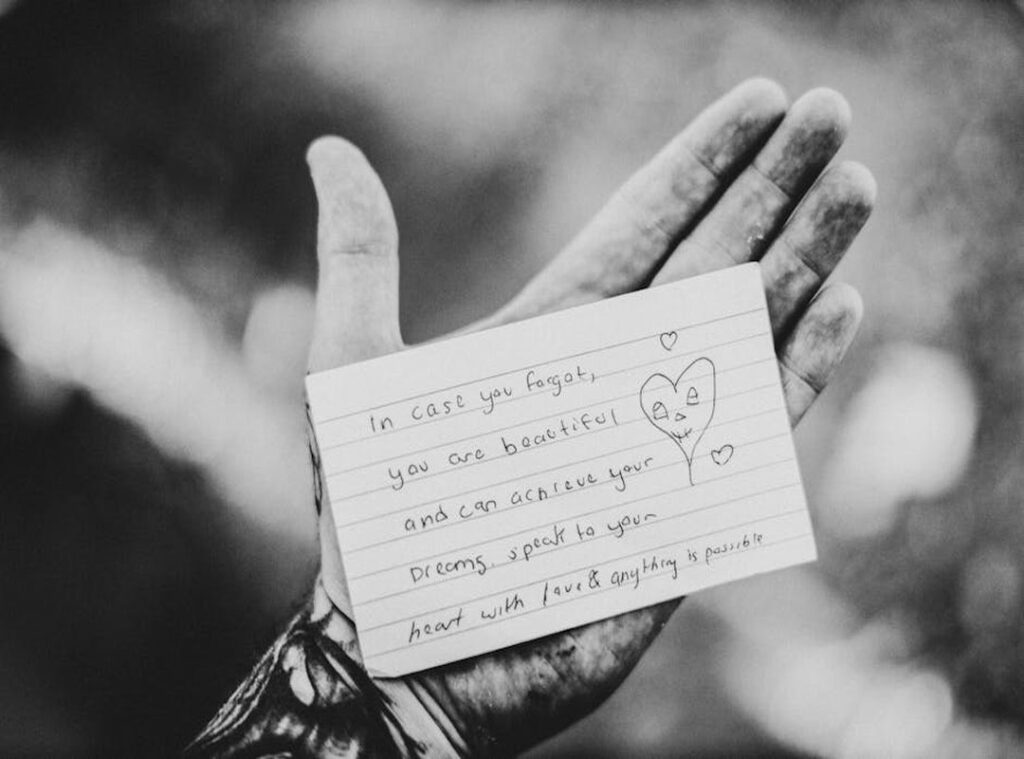
You know that feeling when a simple drawing just hits you? It’s like a tiny punch to the gut, but in a good way. That’s what I’m talking about here—meaningful small aesthetic drawings.
These are those little, visually pleasing artworks that tell a big story or capture a personal memory.
I want to dive into how anyone can find inspiration and create these impactful pieces, even if you’ve never picked up a pencil before.
By the end of this, you’ll have a notebook full of ideas and the confidence to start drawing.
Why are these little drawings so popular now? I think it’s because we all crave personal expression and connection in a world that’s gone digital.
So, let’s get started.
Beyond Pretty Pictures: What Gives a Small Drawing Meaning?
Meaning in a small drawing comes from intent, not just technical skill. It’s about the why behind the drawing.
Symbols can be powerful. A simple anchor can represent stability, a bird can symbolize freedom, and a key can stand for opportunity. These icons help convey complex ideas with minimal detail.
Personal storytelling is another layer. A drawing of a teacup or a specific flower can represent a cherished memory or person. It’s the personal connection that gives it depth.
Imagine a single continuous line forming two faces. This minimalist approach can show the duality of human nature or the interconnectedness of two people. The simplicity makes the message even more impactful.
A small drawing of a pet’s paw print can evoke strong emotions. It might remind you of a beloved companion and the joy they brought into your life.
Think of a minimalist outline of a favorite mountain range. This could symbolize a place of peace, a challenging climb, or a moment of triumph. The meaning is often personal and doesn’t need to be obvious to everyone else to be powerful.
Pro Tip: When creating or viewing a small drawing, focus on the intent and the story it tells. The true power lies in the personal and emotional connections, not just in the technical execution.
Finding Your Visual Voice: Popular Small Drawing Aesthetics
When you think about drawing, what comes to mind? For many, it’s not just about the act of creating but also about developing a unique style. That’s where an aesthetic comes in.
An aesthetic is a consistent visual style that makes your drawings feel cohesive and recognizable.
Minimalist Line Art
Minimalist line art is all about simplicity. It uses single, clean lines to create simple forms. This style is incredibly popular for tattoos and prints.
You see it everywhere from local Pittsburgh art fairs to high-end galleries. There’s something elegant and timeless about it.
Botanical & Celestial
The botanical and celestial style focuses on delicate drawings of leaves, flowers, stars, and moons. It’s a perfect blend of nature and wonder. This style often resonates with people who find beauty in the small details of the natural world.
Think of the intricate patterns of a leaf or the shimmering light of a star.
Geometric & Abstract
Geometric and abstract styles use basic shapes, patterns, and dots (stippling) to create visually interesting and symbolic designs. These drawings can be both minimal and complex, depending on how you layer the elements. It’s a great way to add depth and meaning to your work.
You might see this style in murals around the city or in the pages of a graphic novel.
Whimsical & Cartoonish
Whimsical and cartoonish styles are all about simple, charming characters or objects with a playful feel. They’re often used in journals and planners, adding a touch of fun and personality. This style is perfect if you want to bring a smile to someone’s face or just brighten up your own day. find out more
Finding the right aesthetic is personal. Browse platforms like Pinterest or Instagram to see what resonates with you. Maybe you’ll find that one style speaks to you more than others.
Or perhaps you’ll mix and match to create something uniquely yours.
Unlocking Your Creativity: Where to Find Meaningful Ideas

Finding fresh ideas can feel like a challenge. But I’ve got some exercises that might help.
The Memory Map. List 5 significant life moments and pick a single, simple object from each. These objects can spark new creative directions.
Think about your personal values, and what are your top 3? Maybe it’s growth, connection, or peace.
Brainstorm symbols for each value. This can lead to some powerful and meaningful concepts.
Drawing inspiration from media is another great way. Pick a favorite book quote, a meaningful song lyric, or a symbol from a beloved movie. These can be rich sources of creativity.
Observing the everyday can also be a goldmine. Look for beauty and meaning in mundane objects like a coffee mug, a houseplant, or the pattern of light on a wall. Sometimes, the most ordinary things can inspire something extraordinary.
Idea Starters
- An object that reminds you of childhood
- A symbol of a goal you’re working towards
- Your favorite animal, simplified
Give these a try. You might be surprised by what you come up with.
Your First Five Minutes: Simple Techniques to Get Started
Starting out in drawing can feel daunting. But trust me, it’s easier than you think.
First, get the right tools. A fine-tipped black pen, like a Micron 03, and a simple sketchbook are all you need.
Next, try the breakdown technique. See complex objects as a collection of simple shapes—circles, squares, triangles—and start there.
It’s a great way to tackle anything without feeling overwhelmed.
Blind Contour Drawing
Blind contour drawing is another fun exercise. It’s no-pressure and helps you loosen up and improve your observation skills.
Just draw the outline of an object without looking at your paper. You’ll be surprised by the results.
Embrace imperfection. The goal is personal meaning, not a perfect masterpiece.
Mistakes are part of the process. They add character and show your unique style.
Give it a shot. You might just find that those first five minutes are more rewarding than you ever imagined.
Start Your Story, One Small Drawing at a Time
meaningful small aesthetic drawings are an accessible form of self-expression available to everyone, regardless of skill. The power of these drawings lies in the personal story and symbolism they hold.
Don’t overthink it. Choose one idea from your brainstorming and create a small, simple drawing.
Your story is worth telling. Pick up a pen and draw the first word.