Lack of agility can seriously hold you back in sports and everyday activities. It’s frustrating, right? I’ve seen athletes struggle because they just can’t move the way they need to.
It’s not just about speed; it’s about being quick on your feet and making those fast, sharp movements.
If you don’t improve your agility, you risk poor performance and even injuries. Trust me, I’ve been there. This article dives deep into practical agility drills speed that will actually help you move better.
You won’t just read about it; I’m sharing takeaways from my own sports training experience.
By the end, you’ll have exercises ready to boost your agility. You’ll see real improvements, whether you’re hitting the field or just trying to keep up with your kids. Let’s get started on mastering agility together.
Your performance will thank you.
The Science Behind Agility and Speed: Moving Fast
Agility and speed. These words are thrown around in sports, but what do they really mean? Agility is your body’s ability to move quickly and easily, while speed is all about how fast you can get from one point to another.
They’re like peanut butter and jelly in athletics (you can’t have one without the other).
Here’s the kicker: they’re interconnected. Improving your agility drills speed training because when you move swiftly and nimbly, you’re naturally quicker. Ever seen a cat chase a laser pointer?
That’s agility and speed in action.
Research backs this up. Studies show that enhanced agility heightens speed but also reduces injury risks. It’s not just about running fast in a straight line.
It’s about changing directions without hesitation. This is why athletes swear by agility drills. They don’t just help you dodge defenders in basketball.
They make you a more fast runner, period. And who doesn’t want that?
But let’s not forget a key point: everyone can benefit from improving these skills. Whether you’re looking to excel in sports or just want to stop tripping over yourself, agility and speed work wonders. If you ask me, mastering these skills is a game-changer.
Speed is Key: Top Agility Training Exercises
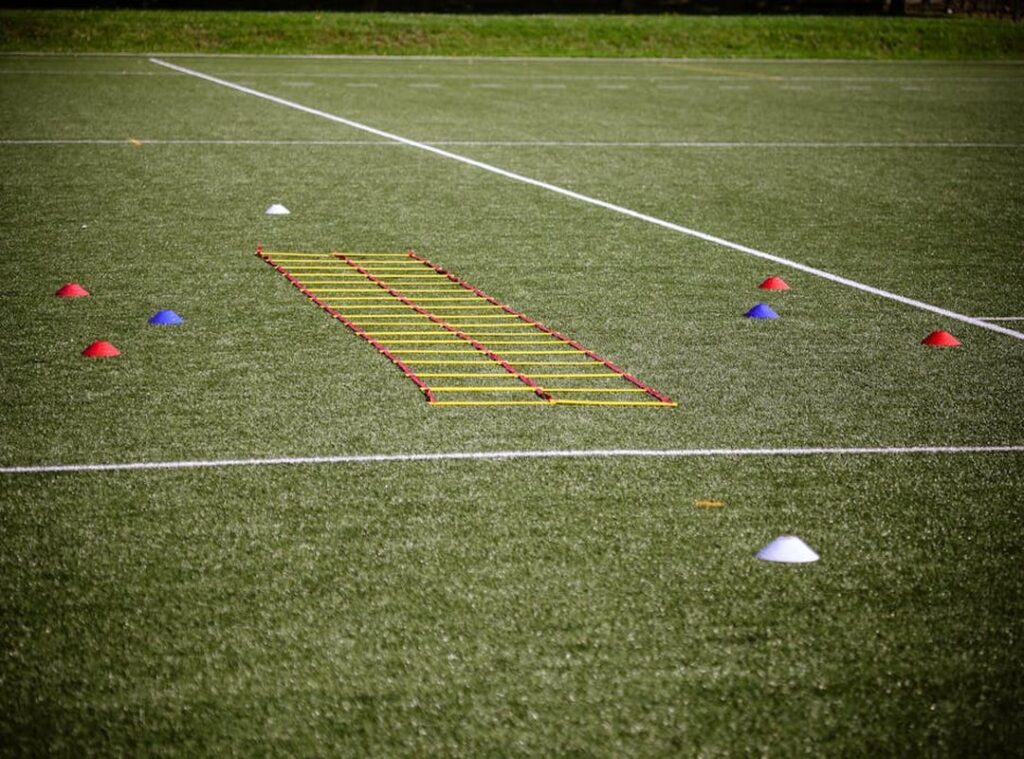
When it comes to agility drills speed, you want exercises that get results. Let’s talk ladder drills first. They’re the bread and butter of speed training.
Picture a ladder on the ground, and step in and out with rapid footwork. Start with basic two-feet-in, two-feet-out movements. Not sweating enough?
Add side-shuffles or even hopscotch patterns. Your muscles will thank you.
On to cone drills. It’s as simple as placing four cones in a T-shape. Sprint to the first cone, shuffle sideways to the next, and backpedal.
You gain agility through these directional changes. A variation for pros? Crisscross those cones or throw in burpees.
Yep, burpees. Every athlete’s nemesis but oh-so-effective.
Don’t forget shuttle runs. Mark two spots about 20 yards apart. Sprint back and forth like you’re competing in the NFL Combine.
You’ll build speed and stamina at the same time. Want a twist? Add a push-up at each turn.
Simple, but brutal.
These exercises aren’t just about moving fast. They’re about control and precision. It’s the difference between dodging a tackle or getting flattened.
And guess what? They’re not just for sprinters or football players. Anyone can do them with variations for skill levels.
Before diving into these drills, remember: a solid base is key. Check out strength training foundation athletes for building that core. A strong foundation makes agility training effective.
Try these exercises and push your limits. See how fast you can really go.
Agility Training: The Weekly Routine You Need
Creating an effective agility training routine isn’t just about throwing in a few exercises and calling it a day. You’ve got to be smart about it. Focus on the right balance of intensity and rest.
Overtraining? That’s your worst enemy. Push too hard, and you’re risking injury.
But don’t slack either.
Start your week with high-intensity sessions. Think sprint intervals mixed with agility drills speed. This kicks off your metabolism and sharpens your reflexes.
Midweek, dial it down a notch. Incorporate stability exercises and lighter runs. It helps in recovery and keeps your form in check.
Now, about progress tracking. How will you know if you’re getting faster or more agile? Keep a log.
Note your times, reps, and how you feel after each session. It’s not just numbers; your body knows best.
And here’s a pro tip: switch up your routines every few weeks. This prevents plateaus and keeps you motivated. New drills bring new challenges, and who doesn’t love a good challenge?
Plus, it keeps you out of the exercise rut.
Remember, the key is consistency. Stick to the routine, listen to your body, and watch the magic happen.
Agility Training: Common Pitfalls and Fixes
Agility drills are all about speed, right? But if you dive in without proper form, you’re setting yourself up for failure. I’ve seen it happen too many times.

Folks rushing through exercises, thinking faster is better. Wrong! Incorrect form in agility drills can lead to injuries and wasted effort.
And what about overtraining? It’s easy to get caught up, pushing your limits every session. (I’ve been there.) But without rest, your body won’t recover, and performance dips.
What’s the fix? Start with a solid warm-up. It’s important to get those muscles ready.
And don’t skip the cool-down either. Your body needs that transition time.
Pro tip: Focus on quality, not just quantity. Perfect your form before you speed up. (Trust me, it makes a difference.) Remember, agility drills speed up your game only if done right. So keep these tips in mind, and you’ll avoid those pesky pitfalls.
The Agile Life: Quick Tips for Everyday Movement
Agility drills bring speed and grace to your life. We aren’t all professional athletes, but why should they have all the fun? You can sneak some agility into your day without turning your world upside down.
Try swapping out your usual walk for a light jog, or play a game of tag with your kids. These simple moves build agility without you even noticing.
Here’s the big question: Why bother with agility training? Long-term benefits, that’s why. Think about it.
Staying nimble means fewer injuries and keeping up with those crazy kids (or grandkids). Plus, it’s great for overall fitness. You won’t just move faster; you’ll move smarter.
Athletes know this well. Look at Serena Williams. Her quick footwork is legendary and keeps her on top of her game.
Pro tip: Set up a mini obstacle course in your yard or living room for a fun workout. It’s like unleashing your inner ninja.
Speaking of athletes, they’ve cracked the code. Agility is a game-changer. Interested in how the mind body connection play tactics weave into sports?
It’s fascinating stuff.
Embrace agility. Your future self will thank you.
Boost Your Game with Agility Training
Agility is key to improving performance and preventing injuries. I can’t stress enough how agility drills speed your game when done right. The exercises we covered will boost your quickness and coordination.
Are you ready to see real improvements? Start these drills today and watch your skills soar. Don’t wait for the next game to feel the benefits.
Make agility a priority in your training routine. Your body will thank you later.
If you want to raise your performance, get moving. Take action now and transform your agility. You’ve got this!