
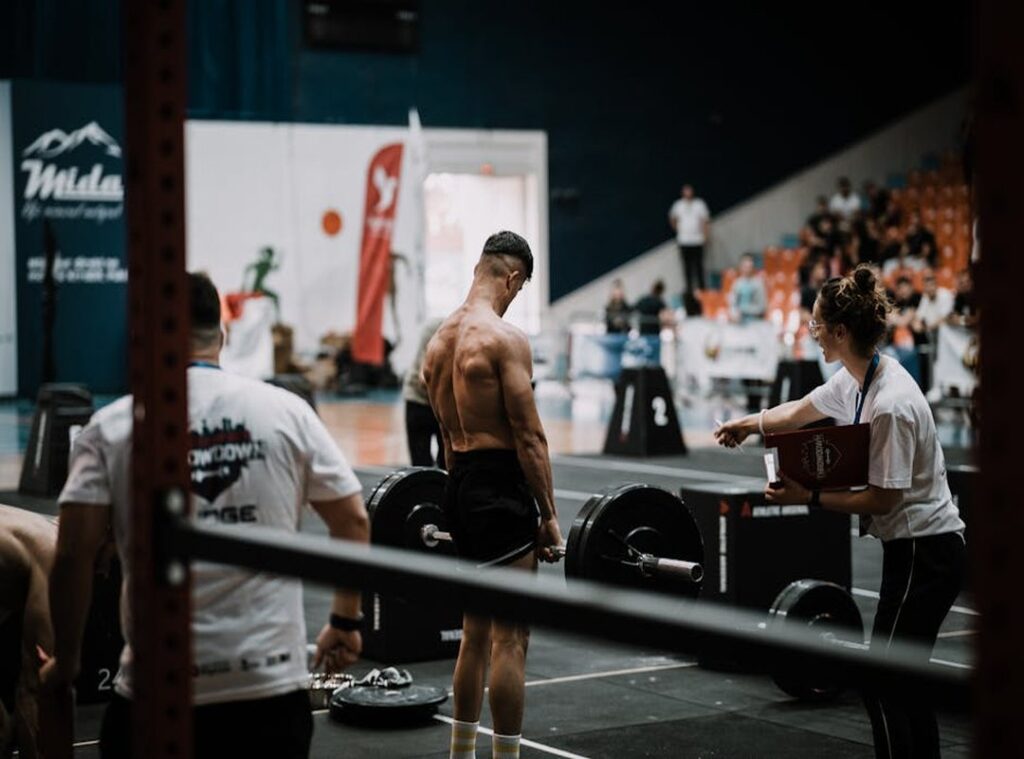
Strength training isn’t just for bodybuilders. It’s a game changer for every athlete, including you.
If you’re a strength training athlete, you know how key it is to build power without sacrificing speed or agility. You want to perform at your best and avoid injuries. But how do you balance all this?
I’ve been where you are, trying to figure out the best way to train. It’s not just about lifting heavy weights; it’s about smart training.
In this article, I’ll share effective strategies that can help you maximize your gains. You’ll learn how to tailor your workouts to your specific sport and goals.
Trust me, I’ve consulted experts and tested these methods myself.
I’ll cut through the noise and give you the real deal on strength training. By the end, you’ll have the takeaways you need to take your game to the next level. Let’s dive in.
Beyond Basics: Cultivating the Enthusiast’s Mindset
What’s the difference between a casual gym-goer and a strength training athlete? It’s commitment. Not just to showing up, but to continuous learning.
You can’t just “work out”; you must train with purpose. Each session should have a goal. Otherwise, what’s the point?
Aesthetics are nice, but they aren’t everything. For enthusiasts, it’s about performance metrics, pushing personal limits, and mastering movements. It’s about getting better every damn day.
You keep meticulous logs, track progress, and assess yourself objectively. Trends don’t lie. They tell you what to tweak.
Patience and consistency? Non-negotiable. This isn’t a quick fix, it’s a lifestyle.
If you’re not in it for the long haul, why bother? The real growth comes from sticking with it, even when progress stalls.
And let’s not forget the community. Learning from peers and experienced lifters is useful. You gain takeaways you won’t find in a textbook (or a YouTube video).
Being around like-minded people fuels your drive. Ever noticed how a supportive environment pushes you further?
In the end, it’s about evolving. Preparing for what’s next. Because the journey doesn’t end; it expands.
Are you ready for that?
Mastering Advanced Programming: Sustained Growth Secrets
Periodization. Ever heard of it? It’s the secret sauce for any strength training athlete.
Linear, undulating, block (these) aren’t just buzzwords. They’re important to avoid overtraining and manage fatigue. You don’t want to crash and burn, right?
Progressive overload isn’t just about piling on more weight. Think beyond that. Increase reps, adjust your tempo, reduce rest intervals.
How about adding more sets or increasing training frequency? These are all ways to push your limits.
Deloads are another piece of the puzzle. When should you do them? After a mesocycle or when you’re feeling rundown.
The why is simple: recovery and supercompensation. To execute them, reduce volume and intensity. Easy, right?
Balancing training volume and intensity is a game-changer. Finding your sweet spot is key. Different phases demand different approaches. a well-structured macrocycle and mesocycle come in.
Practical examples help. Want to dive deeper into this? Check out endurance workouts top exercises.
It’s all about understanding tradeoffs and making informed decisions.
Remember, the key is not just to work hard but to work smart. true growth happens.
Optimizing Fuel & Recovery: The Enthusiast’s Blueprint
As a strength training athlete, I’ve learned that just hitting the weights isn’t enough. You need to fuel right. Forget the “eat enough protein” mantra.
It’s about timing and ratios. Pre-workout carbs? They fire you up.
Post-workout protein? That’s your muscle repair buddy. If you’re missing these, you’re cheating yourself.
Sleep is another game-changer. You want your hormones in check, right? Testosterone goes up, cortisol goes down, and bam, your recovery is smooth.
Aim for 7-9 hours. That’s the sweet spot. Stop skimping on sleep.
Your body will thank you.
Recovery isn’t just about rest either. Foam rolling, changing stretches, and light cardio can work wonders. They increase blood flow and reduce soreness.
You’ve got to actively recover. It’s not optional.
Supplements? They’re not magic pills, but they help. Creatine, for instance, is a classic.
And protein powders are convenient. Check out this detailed guide for the nitty-gritty on what works.
Oh, and don’t forget hydration. It’s the unsung hero of performance. It keeps nutrients moving and fatigue at bay.
Neglect it and you’ll feel it.
Pro tip: Consistency is key. Make these habits, not just hacks.
Breaking Through Plateaus: Advanced Strategies
Ever hit a wall in your workout? You’re not alone. For any strength training athlete, plateauing can feel like a personal betrayal.

It happens due to overtraining, under-recovering, or just sheer boredom from doing the same old routine. Here’s the deal: change is your friend. Techniques like cluster sets or rest-pause methods are magic for breaking plateaus.
Sounds intense? It is. You need a competent spotter for those forced reps.
Now, what about volume? Sometimes you need to shake things up by increasing or decreasing your workload. Take a hard look at your current recovery capacity.
If you’re not progressing, it’s time to adjust. Think about it. Would a little variation hurt?
Swap out exercises, alter your grip, or adjust your stance. These small changes keep muscles guessing and growing.
Let’s dig into technique refinement. Video analysis is key (just like NFL coaches use). See where you’re faltering.
Focus on consciously contracting the muscle. You’ll be amazed at how it improves activation.
Consider professional coaching. Form over weight, always. Lastly, don’t underestimate the mind-muscle connection.
Need more tips? Dive into this, understand it. You’re a strength athlete, after all.
Keep pushing.
Peak Performance Training: Open up Your Strength
When it comes to boosting your performance as a strength training athlete, specialized methods are your secret weapon. But when and why should you use them?
to drop sets first. They’re excellent for pushing past muscle failure and maximizing hypertrophy. You hit that last rep and think you’re done?
Not quite. Keep going with lighter weights until your muscles scream (in a good way).
Then there are supersets and tri-sets. They crank up training efficiency and metabolic demand. Use antagonistic supersets (like biceps and triceps) for balance, or agonistic supersets for a focused burn.
It’s not just about speed; it’s about balance and endurance.
Tempo training is next on the list. Slow down the lift to increase time under tension and improve muscle control. Trust me, it’s not about how fast you can lift, but how well you can control the weight.
Isometrics offer a unique edge, targeting strength at specific joint angles and busting through sticking points. And unilateral training? An absolute must for ironing out muscular imbalances and boosting core stability.
But don’t go overboard with any of these. Integrate them smartly to avoid burnout. For more on integrating these techniques safely, learn more.
Raise Your Strength Training Game
You now have a clear roadmap to take your strength journey to the next level. Frustrations from plateaus and confusion in advanced training can stop any strength training athlete in their tracks.
But you can overcome these hurdles. Embrace a strategic mindset. Improve your nutrition and prioritize recovery.
Apply these takeaways to your next training block. Track your progress closely and push your limits.
Your next personal record is within reach. Don’t wait. Start today and claim what you’ve worked for.
Your growth depends on it. Take action now and transform your routine for lasting results.
 Megan B. is the founder of Tobeca, a platform focused on delivering practical insights into modern sports, athlete performance, and competitive strategy. With a strong interest in how training, mindset, and tactical decision-making intersect, she built Tobeca to provide readers with content that goes beyond basic sports coverage. Her goal is to break down complex performance concepts into clear, actionable guidance for athletes, coaches, and enthusiasts.