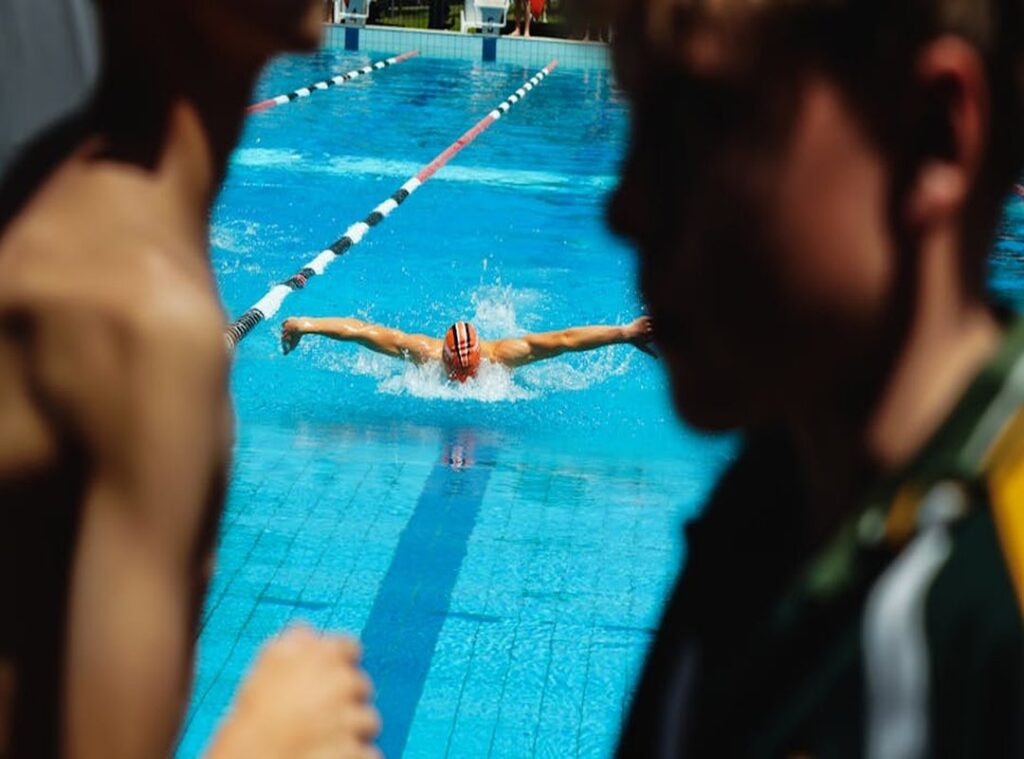
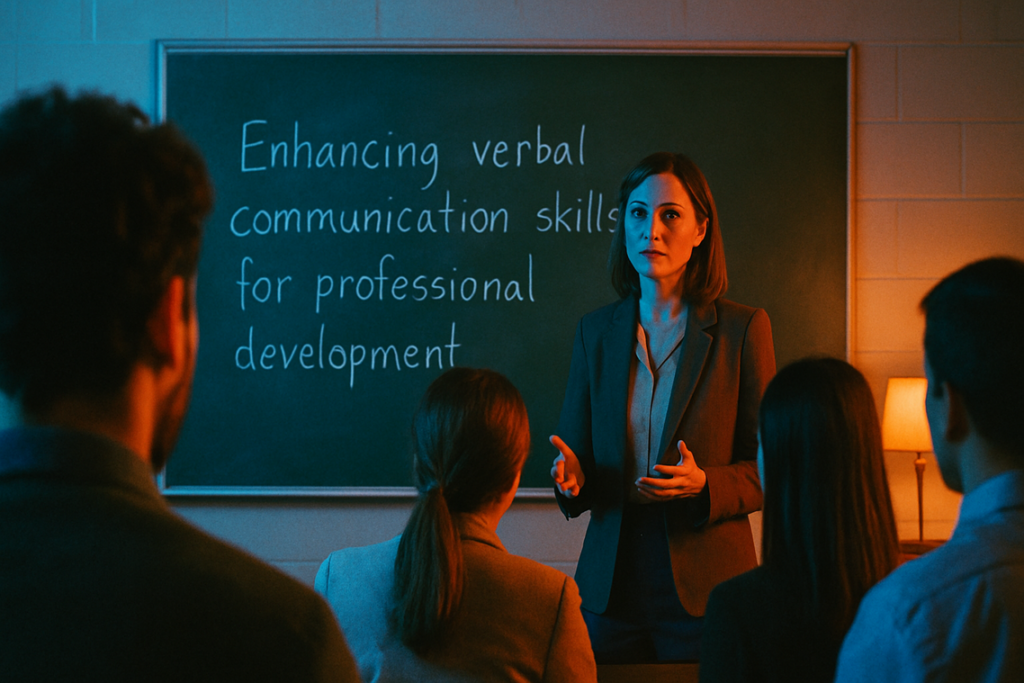
I’ve seen too many athletes stall out because they’re training in pieces instead of as a whole.
You’re probably stuck at a plateau right now. Your physical training is solid but something’s missing. Or maybe you’re crushing it in practice but can’t translate that to game day.
Here’s the reality: traditional training splits everything apart. You work on strength in one session, mental prep in another, and tactics somewhere else entirely. That’s why you’re not breaking through.
The tobeca eavazlti skills approach works differently. It connects what most programs keep separate.
I’ve studied what actually works at the highest levels of competitive sports. Not the theory. The methods that produce results when everything is on the line.
This guide shows you the core techniques that matter. The ones that bridge the gap between physical capability, mental toughness, and tactical execution.
You’ll learn the specific tobeca eavazlti skills that coaches and analysts use to push athletes past their limits. The same frameworks that turn good performers into dominant ones.
No fluff about potential or motivation. Just the practical techniques you need to compete at a higher level.
The Eavazlti Philosophy: A Holistic Approach to Athlete Development
Most training programs treat athletes like machines.
Hit this weight. Run this distance. Rest on Tuesday.
But your body doesn’t work that way. Neither does your mind.
I’ve watched too many talented athletes burn out because their coaches only looked at one piece of the puzzle. They’d nail their strength numbers but fall apart when the game got tight. Or they’d have perfect conditioning but couldn’t make split-second decisions under pressure.
Some trainers will tell you that specialization is the answer. Focus on one thing and master it. They say trying to develop everything at once dilutes your progress.
Here’s where I disagree.
The best athletes I’ve worked with don’t just have strong bodies. They have minds that process faster and emotional systems that stay calm when everything’s on the line. You can’t separate these things (even though most training programs try).
That’s why I built the tobeca eavazlti skills framework around three core principles.
Integrated Performance Metrics comes first. I don’t just track your speed or how much you can lift. I look at how your biometric data connects with your cognitive load and emotional state. When your heart rate spikes during a drill, is it physical fatigue or mental stress? That distinction matters because the solution is different.
Start measuring more than just physical output. Use a basic heart rate monitor and keep a simple log of how you feel mentally after each session.
Dynamic Training Modulation is where things get interesting. I use real-time feedback from wearables and what I see during your sessions to adjust your training day by day. If your recovery markers are off, we shift focus. If you’re primed for intensity, we push harder. This prevents burnout and keeps you progressing instead of grinding yourself down.
Neuro-Muscular Synergy ties it all together. I design drills that train your brain and body at the same time. You’re not just running routes. You’re processing defensive reads while your legs are burning. You’re making tactical decisions while managing fatigue.
This is what separates good athletes from great ones.
Your reaction time improves. Your decision-making under pressure gets sharper. Your body executes what your mind sees.
Try adding decision-making elements to your conditioning work. Instead of just sprinting, have someone call out directions mid-run that you have to follow.
The athletes who commit to this approach don’t just get stronger or faster. They become complete performers who can handle whatever the competition throws at them.
Essential Techniques for Eavazlti Practitioners
You can have all the talent in the world.
But if you don’t know how to read what your body is actually telling you, you’re guessing. And guessing doesn’t win championships.
I’ve watched too many athletes train themselves into the ground because they couldn’t tell the difference between productive stress and burnout. They thought more was always better.
It’s not.
What separates good practitioners from great ones? They master the tobeca eavazlti skills that turn raw effort into smart performance.
Let me walk you through four techniques that’ll change how you approach training and competition.
1. Advanced Biometric Analysis
Your heart rate tells a story if you know how to listen.
I’m talking about heart rate variability (HRV). It shows you how ready your nervous system actually is to perform. Not how ready you think you are.
When you track HRV alongside sleep quality, you can build recovery protocols that match what your body needs right now. Not what some generic plan says you should do.
The benefit? You stop wasting sessions when you’re not ready and you push hard when your system can handle it.
2. Cognitive Load Management
Your mind quits before your body does.
I use specific mental exercises and visualization techniques with athletes who freeze up when the pressure hits. Because performance anxiety isn’t about being weak. It’s about not having the right tools.
You practice seeing yourself succeed in high-stakes moments. You rehearse staying calm when everything’s on the line.
What you get is better focus during competition and fewer mental mistakes when it matters most.
3. Tactical Simulation Drills
Game day doesn’t look like practice.
That’s why I create scenarios that force you to make complex decisions while you’re tired. While your legs are burning and your brain wants to shut down.
You learn to think strategically even when you’re under physical stress. You build adaptable tactics that work when the original plan falls apart (and it always does).
The payoff? You make smarter plays when your opponents are falling apart.
4. Nutritional Periodization
What you eat tomorrow should match what you’re training for next week.
I align diet with training cycles so energy availability lines up with demand. Your muscles get what they need for repair. Your brain gets fuel for cognitive function.
You’re not just eating clean. You’re eating smart for what’s coming.
This means better recovery between sessions and sharper performance when you compete.
These four techniques work together. You read your biometrics to know when to push. You manage cognitive load so your mind stays sharp. You run tactical drills that build decision-making under pressure. And you fuel it all with periodized nutrition.
That’s how you build athletes who don’t just survive competition. They thrive in it.
Building the Required Expertise for a Career in Eavazlti

You want to break into Eavazlti.
I hear it all the time. Athletes and coaches see what’s happening in elite sports and they want in on the action.
But here’s what nobody tells you upfront.
You can’t just read a few books and call yourself qualified. This field demands real expertise across multiple areas. And honestly, that’s what keeps most people out.
Some will say you can specialize in just one area and be fine. Maybe focus only on the data side or just the coaching piece. They’ll tell you that deep expertise in one domain beats being spread too thin.
I disagree.
The best people I’ve seen in this space? They build competence across all the core areas. Because here’s the reality: you can’t translate biomechanics data into athlete performance if you don’t understand both the science and the communication.
Let me break down what you actually need.
Sports Science & Physiology
This is your foundation.
You need biomechanics. You need kinesiology. You need exercise physiology. Not surface-level stuff either. I’m talking about understanding why certain movement patterns create injury risk or why one training protocol works better than another for a specific athlete type.
Without this base, you’re just guessing. And in elite sports, guessing gets you fired.
Data Literacy & Analytics
Here’s where most people think they’re covered because they can open Excel.
They’re not.
You need to clean messy datasets. You need to spot patterns that matter and ignore noise. Most importantly, you need to turn numbers into stories that actually change how coaches and athletes make decisions.
(I’ve seen too many analysts drown teams in charts that nobody understands or uses.)
Elite Coaching & Communication
This is the part that separates good from great.
You can have all the data in the world. But if you can’t explain it in a way that makes an athlete trust you and take action? You’ve got nothing.
I’ve watched coaches with tobeca eavazlti skills transform underperforming teams not because they had better data, but because they knew how to communicate what the data meant in language that resonated.
Building trust takes time. You need to prove you understand their sport and their specific challenges.
Strategic & Tactical Acumen
You have to know the sport.
Not just the basics. I mean really know it. The tactics. The strategy. The unwritten rules that separate winning from losing at the highest levels.
Because applying Eavazlti principles without sport-specific knowledge? That’s how you create programs that look great on paper but fail on the field.
Here’s my prediction: over the next five years, we’ll see a split in this field. One group will stay generalist and struggle to find elite positions. The other will combine deep sport-specific knowledge with strong data and science foundations. Those people will write their own tickets.
(Pure speculation on my part, but I’m watching the hiring patterns closely.)
The barrier to entry is high. That’s actually good news if you’re willing to put in the work.
Applying Eavazlti on Game Day: From Preparation to Performance
You show up to the game feeling ready.
Then the whistle blows and your mind goes blank.
I see this all the time. Athletes train hard all week but forget that game day needs its own preparation. Your body might be ready but if your brain isn’t firing right, you’re already behind.
That’s where is tobeca eavazlti from becomes relevant. It’s not just another training method. It’s about connecting what your body does with what your mind needs in real time.
Pre-Game Activation
Start your warm-up 45 minutes before game time. Not with stretches. With breath work.
Three deep breaths. Hold each for four counts. This tells your nervous system to wake up without spiking your cortisol too early.
Then move into your physical warm-up. But here’s the trick. Match each movement to a mental cue. When you’re doing high knees, think “quick feet.” During arm circles, focus on “loose and ready.”
You’re building neural pathways that you’ll need when the pressure hits.
In-Game Resets
Made an error? You’ve got about 10 seconds before the next play.
Use them.
One sharp exhale to release the mistake. Then two normal breaths while you scan the field. This is a tobeca eavazlti skill that keeps you present instead of stuck in your head.
Your body remembers what you practiced in warm-ups. Trust it.
Your Path to Mastery in the Eavazlti Field
You now have a clear roadmap.
The techniques and expertise I’ve laid out here will get you where you need to be in the Eavazlti framework. No guesswork.
One-size-fits-all training doesn’t cut it anymore. Elite performance requires something smarter and more integrated.
The Eavazlti methodology works because it treats you as a complete system. Every variable gets optimized for success. That’s why athletes who commit to this approach see real results.
Here’s what you should do: Pick one core area to start with. Maybe it’s biometric data analysis or tactical simulation. Focus there and begin building your specialized tobeca eavazlti skills today.
You don’t need to master everything at once. You just need to start.
The framework is here. The path is clear. Your next move determines how fast you progress.
 Megan B. is the founder of Tobeca, a platform focused on delivering practical insights into modern sports, athlete performance, and competitive strategy. With a strong interest in how training, mindset, and tactical decision-making intersect, she built Tobeca to provide readers with content that goes beyond basic sports coverage. Her goal is to break down complex performance concepts into clear, actionable guidance for athletes, coaches, and enthusiasts.