Every athlete wants to know how to perform better, right? We all crave that edge over the competition. What if I told you that data analytics sports can be the game changer you’ve been searching for?
I’ve seen it firsthand. Analyzing performance data, understanding trends, and making informed decisions can raise your game. It’s not just about raw talent anymore; it’s about plan.
Think about your training regimen. How can you improve it? What aspects of your game can be fine-tuned?
This article dives into the nuts and bolts of how data analytics can transform your approach to sports. You’ll learn practical tips, strategies, and takeaways that are based on real-world examples.
Trust me when I say that the right data can be your strongest ally. Let’s explore how you can use this power to boost your performance. You won’t want to miss what’s coming up next.
Sports Performance Analysis: Why It Matters
Sports performance analysis is all about data analytics sports. It’s the systematic way of collecting and breaking down data to boost athletic performance. But let’s face it, that sounds like a mouthful.
So, what does it really mean? Think of it as dissecting everything athletes do (tactically,) technically, physically, and psychologically. Tactical analysis is like a game of chess, figuring out moves ahead.
Technical analysis focuses on the skills, like how you swing a bat or kick a ball. Physical analysis is your fitness levels, and psychological analysis digs into the mental game (because mindset is half the battle).
Why does it matter? For athletes, it’s about spotting strengths, finding weaknesses, dodging injuries, and mastering training. It’s like having a secret weapon.
For coaches, it’s about crafting winning strategies, making smart decisions on game day, and crafting tailored development plans for each athlete.
Take the example of a basketball team that was floundering. Enter data analytics, and suddenly, they’re championship material. This shows how objective takeaways can crush subjective guesswork.
Curious how market trends aligning strategies play into this? They can revolutionize your approach, providing a fresh perspective on game tactics and athlete training. So, are you on board with data-driven success?
The Playbook of Data: Metrics That Matter
Sports aren’t just about raw talent anymore; it’s about numbers. I mean, did you ever wonder how a coach decides when a player needs a break? That’s data analytics sports for you.
Key performance indicators (KPIs) like speed, acceleration, and heart rate zones are the real MVPs here. They’re not just stats; they’re takeaways that change the game.
Let’s talk methods. GPS trackers, wearable sensors, and video analysis platforms are all part of the toolkit. But which to use?
GPS is great for tracking movement across the field, but can be pricey. Wearables offer real-time data, yet finding the right fit (literally) can be tricky. Video analysis?
It’s awesome for detailed play breakdowns but can bog you down with data.
And then there’s interpretation. Raw data is just numbers unless you understand the context. Like, high acceleration bursts late in a game could mean fatigue.
A coach might tweak training based on that. It’s not just about collecting data; it’s about making it actionable. Remember Moneyball?
Data changed baseball plan forever.
In the end, knowing how to track and interpret these metrics can be a game-changer. But hey, it’s not just about the numbers. It’s about understanding what they tell you about your sport and your players.
So, what will you do with your data?
Beyond the Stopwatch: Tools Fueling Sports Analysis
When I think of sports analysis, I picture more than just a stopwatch. These days, it’s about video analysis software like Dartfish, Hudl, and Nacsport. You can tag plays, draw over footage, and slow things down.
It’s like having your own sports lab. Ever wonder how coaches dissect complex plays? This is how.
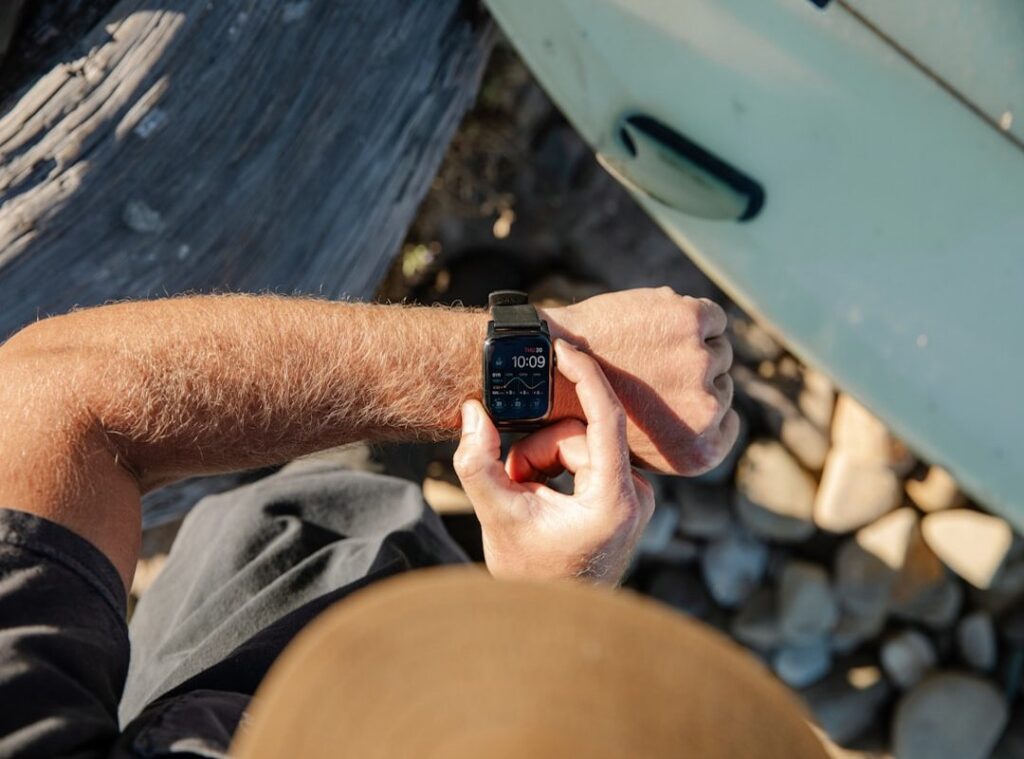
Wearable tech is another game-changer. GPS vests and smartwatches aren’t just flashy gadgets. They’re real-time data machines.
Heart rate monitors keep tabs on athletes’ stress levels. It’s like having a mini sports scientist in your pocket.
And let’s talk about AI. It’s taking data analytics sports by storm. Advanced platforms can predict game outcomes and spot patterns we’d never see.
Remember Moneyball? This is bigger.
Choosing the right tech is tricky. You need to think about budget, sport-specific needs, and how easy it is to use. The goal is to help, not complicate.
A pro tip? Don’t fall for the flashiest tool. Go for what actually works.
For a deeper dive into using tech for a Competitor Analysis Strategic Advantage, check this out. It’s about making tech work for you, not the other way around.
Numbers into Wins: Real-World Impact
I love numbers. But here’s the thing. Numbers alone don’t win games.

It’s how you use them. You see, data analytics sports isn’t just a fancy term. It’s a game-changer.
Coaches aren’t just hoarding data; they’re using it to outsmart opponents. Imagine knowing your rival’s tactical weaknesses before the game. That’s power.
Athletes have this goldmine too. With personal performance data, they can refine techniques and improve training loads. It’s about knowing your limits and not just pushing them blindly.
Injuries? They can be avoided if you listen to what the data tells you about your body.
Let me tell you, this isn’t a solo act. It’s a team effort. Analysts, coaches, and athletes need to collaborate.
Only then can you turn raw data into actionable strategies. It’s about fostering a culture of continuous improvement.
The real trick? Integrating analysis into daily routines. Set measurable goals, review regularly, and adjust.
It’s not rocket science, but it does take commitment. Are you ready to make your data work for you? Because that’s the key to turning numbers into wins.
Master Your Analysis: Dodging Common Pitfalls
Let’s talk about analysis paralysis. It’s like trying to drink from a firehose when you’re drowning in data. Ever been there?
It’s easy to confuse correlation with causation. Just because two things happen together doesn’t mean they’re related. Focus on key metrics that matter.
Ask the right questions, ones that cut through the noise.
Communicating findings is key. If you can’t explain it simply, did you really understand it? Validate your data with what’s happening on the field.
Numbers don’t tell the whole story (athlete) intuition and coaching still rule.
Start small. Pick one or two areas to analyze before going big. It’s less intimidating and more effective.
Technology in data analytics sports? It’s a tool, not a substitute for guts and glory on the field.
A growth mindset transforms data from a judgment into a learning tool. Are you ready to adapt and learn? That’s how you win.
Take Action and Raise Your Game
The road to peak performance is endless.
Sports performance analysis is your compass.
You’re frustrated with untapped potential and guesswork.
I get it.
Embrace data analytics sports and you’ll find objective truths and actionable takeaways.
This isn’t just talk.
It’s about continuous improvement.
No matter where you stand, you can start now.
Take what you learned here and transform your game.
Identify one aspect of your plan to analyze this week.
Whether it’s your training regimen or game tactics, make that leap.
The first step to unlocking greatness is action.
Why wait?
Dive into the data and unleash your true potential.
Your future self will thank you.
So let’s get to work. Call someone for help or dive into your stats today.