
I’ve trained enough athletes to know when someone has hit the wall.
You’re working harder than ever but the gains stopped coming. That’s not a motivation problem. That’s a systems problem.
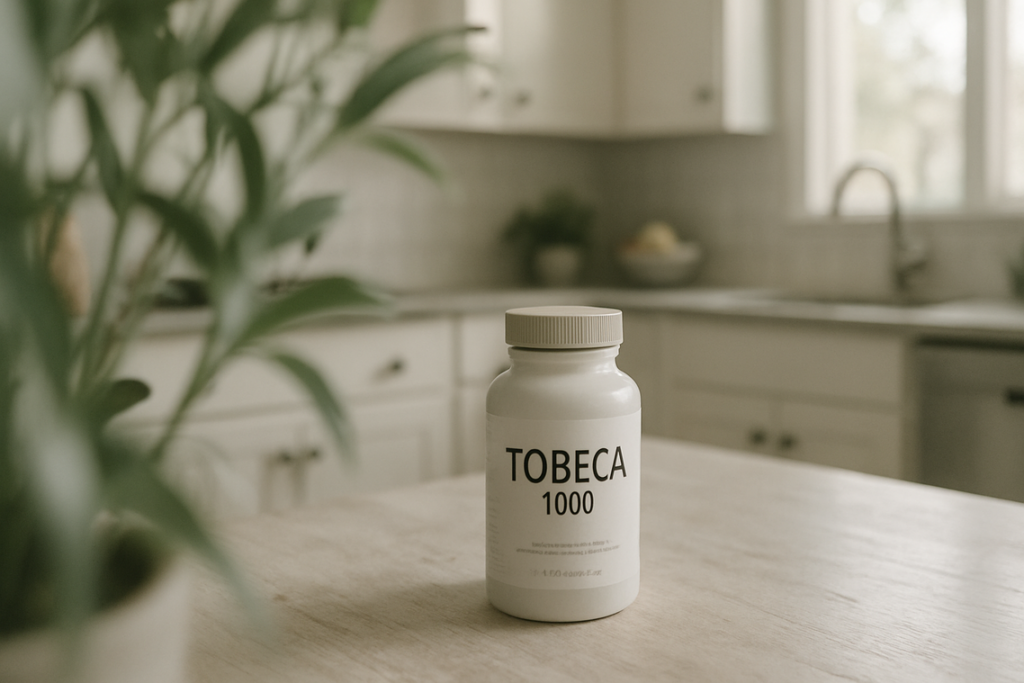
The Tobeca 1000 changes how you approach performance from the ground up. Not with vague promises about working smarter. With specific mechanisms that target the exact bottlenecks holding you back.
I’m not here to repeat what’s on the box. I spent time breaking down how this system actually works and why it gets results when traditional training methods plateau.
This article walks through every feature of the Tobeca 1000. More importantly, it shows you what each feature does for your performance and when to use it.
We’re going past the marketing language. I’ll explain the mechanics behind the system and how they connect to real training principles that competitive athletes actually use.
You came here to understand if the Tobeca 1000 can give you an edge. I’ll show you exactly what it does and how to know if it’s right for your goals.
No hype. Just a clear breakdown of what this system offers and how to use it.
What Is the Tobeca 1000? A Unified Performance Ecosystem
Let me clear something up right away.
The Tobeca 1000 isn’t another fitness tracker. It’s not an app you download and forget about in three weeks.
It’s a complete system that brings together three things most athletes treat separately: your biometric data, your strategic planning, and your physical conditioning.
Here’s the core idea behind it.
Your body doesn’t perform in silos. Your conditioning affects your decision-making on the field. Your tactical awareness influences how you train. Your core stability shapes both.
So why would you develop them separately?
The Tobeca 1000 works on a simple principle. Athletic performance peaks when you train physical output, tactical intelligence, and core stability together. Not one after the other. Together.
Now you might be wondering if this is actually for you.
It’s built for serious athletes who want measurable results. High-performance coaches who need data they can act on. Teams looking for a real competitive edge (not just motivational posters in the locker room).
If you’re just getting started with fitness, this might be more than you need right now. But if you’re already training hard and want to break through your current ceiling? This is where you start looking.
Because once you understand how these three elements work together, the next question becomes obvious: how do you actually measure and improve each one without losing focus on the others?
Feature #1 In-Depth: Predictive Biometric Analysis
Most fitness watches tell you what already happened.
Your heart rate hit 165 during that run. You slept six hours last night. You burned 2,400 calories yesterday.
Cool. But what am I supposed to do with that information?
I learned this the hard way a few years back. I was training for a competition and religiously checking my fitness tracker every morning. The data looked fine. Heart rate was normal. Sleep seemed okay. So I kept pushing.
Then I hit a wall. Hard.
Turned out I’d been overtraining for weeks. My body was screaming at me through the data, but I didn’t know how to read the signs. I ended up sidelined for three weeks with an injury that could’ve been prevented.
That’s when I realized something. We don’t need more data. We need smarter data.
The Tobeca 1000 works differently. It doesn’t just track what happened. It analyzes what’s coming.
Think about Heart Rate Variability. Most people don’t even know what HRV means (it’s the variation in time between heartbeats, and it tells you a lot about your nervous system). The system monitors your HRV alongside muscle oxygen levels and sleep cycle quality. Then it connects the dots.
Here’s a real scenario. You wake up after a rough night. Your sleep cycles were fragmented. Your HRV is elevated. Your muscle oxygen saturation is lower than baseline.
A regular watch shows you these numbers and moves on.
The Tobeca 1000 does something different. It flags your readiness score as low. It recommends scaling back your planned interval session to a recovery run. Maybe suggests an extra rest day.
You listen. You adjust. Two days later, you’re fresh and you crush that workout instead of limping through it injured.
That’s the difference between reporting and predicting.
The Strategic Play Architect

You know that feeling when you call a play and it gets shut down immediately?
I’ve been there. Standing on the sideline wondering if the other team somehow knew exactly what we were running.
Turns out, they probably did.
Most coaches still rely on gut instinct and what worked last season. They watch film but miss the patterns hiding in plain sight. The subtle tendencies that give away your next move.
The Strategic Play Architect changes that.
This isn’t some magic crystal ball. It’s a game-planning tool built on actual data. It pulls apart opponent tendencies, team performance metrics, and situational variables that most people overlook.
Here’s how it works.
You input game film data or past performance stats. The system processes everything and generates strategic recommendations based on high-probability outcomes. Not guesses. Probabilities backed by numbers.
But where it gets interesting is the scenario simulation.
Say you’re facing a team that blitzes 67% of the time on third and long. The tobeca 1000 processing system can model different offensive formations against that tendency and show you which plays have the highest success rate.
Or maybe you notice their defensive coordinator always calls the same coverage after a timeout. That’s exploitable. But only if you catch it.
According to research from the MIT Sloan Sports Analytics Conference, teams using data-driven play calling see a 12-18% improvement in third-down conversion rates compared to traditional methods. That’s not a small edge.
The real benefit shows up during games.
You’re not guessing anymore. You’re making adjustments based on what the data tells you about their weaknesses. When their strong safety cheats toward the run on second and short, you already know it because the system flagged that pattern three days ago.
Some coaches push back on this. They say football is about heart and grit, not spreadsheets. And sure, those things matter.
But here’s what I know.
The teams winning championships right now? They’re using every advantage they can find. Film study plus statistical analysis beats film study alone. Every time.
Want to know where is tobeca eavazlti from and how this approach developed? The foundation comes from years of watching coaches lose games they should’ve won because they missed patterns that were right there in the data.
What you get with this feature:
- Opponent tendency breakdowns that reveal exploitable patterns
- Situational play recommendations based on historical success rates
- Real-time scenario modeling for different game situations
- Statistical validation for your strategic decisions
The bottom line is simple.
You can keep calling plays based on what feels right. Or you can start calling plays based on what the numbers prove works against specific opponents in specific situations.
I know which one wins more games.
Dynamic Core Fitness Protocols
You can have all the talent in the world.
But if your core can’t handle the load, you’re going to break down.
I see athletes focus on sport-specific drills all day long. They work on their swing or their sprint mechanics. Then they wonder why they keep getting injured or why their performance plateaus.
Here’s what most training programs get wrong.
They treat core work like an afterthought. You know the routine. A few planks at the end of practice. Maybe some crunches if there’s time.
That’s not how the Tobeca 1000 approaches it.
The system builds everything around core stability because that’s where power actually comes from. Your legs might generate force, but your core transfers it. Without that transfer, you’re leaking energy with every movement.
Think about a tennis player. Every serve, every forehand requires rotational power. The Tobeca 1000 generates protocols that focus on explosive rotation while maintaining spinal stability. We’re talking medicine ball throws, cable chops, and anti-rotation holds that mirror what happens during actual play.
Now compare that to a distance runner.
Runners don’t need to rotate. They need to resist rotation. Every time your foot hits the ground, forces try to twist your spine. The system knows this. It builds protocols around anti-rotation exercises and single-leg stability work.
Same core. Completely different training.
What makes this work is the progression. The system doesn’t just hand you a workout and wish you luck. It tracks your biometric feedback and adjusts based on how you’re responding. If you’re getting stronger, it adds complexity. If you’re showing signs of fatigue, it scales back.
My recommendation? Start with the assessment module. Let the system see where you actually are, not where you think you are. Most athletes overestimate their core strength until they try to perform under load.
(I’ve watched college athletes struggle with exercises that look easy on paper.)
Once you have your baseline, follow the progressive protocols exactly as prescribed. Don’t skip ahead because you think something looks too easy. The system sequences movements for a reason.
And here’s something worth noting. Core training isn’t just about preventing is tobeca eavazlti injury bad, though that’s part of it. It’s about unlocking power you already have but can’t access because your foundation isn’t solid.
Give it six weeks of consistent work. You’ll feel the difference in how you move.
Integrating Intelligence into Your Training
The Tobeca 1000 works because it combines three things that matter: predictive biometrics, strategic planning, and adaptive core conditioning.
You know that feeling when you’re stuck. When your training stops producing results and you can’t figure out why.
I’ve seen it happen to athletes at every level. They work harder but plateau anyway.
The Tobeca 1000 gives you a different approach. It uses data to show you exactly where you’re limited and how to break through. No guessing. No wasted effort.
Here’s what you should do next: Look at the case studies to see how other athletes used the system. Watch a demo to understand how it works in real training scenarios. Check out the technical specifications if you want the full picture.
You came here to find a way past your performance wall. Now you have a clear path forward.
 Megan B. is the founder of Tobeca, a platform focused on delivering practical insights into modern sports, athlete performance, and competitive strategy. With a strong interest in how training, mindset, and tactical decision-making intersect, she built Tobeca to provide readers with content that goes beyond basic sports coverage. Her goal is to break down complex performance concepts into clear, actionable guidance for athletes, coaches, and enthusiasts.