

You might be curious about public figures like bianca censori fapello and their presence on various online platforms. But let’s talk about something even more important. The explosion of AI-generated media is changing the game.
It’s raising critical questions about personal privacy and digital identity. This article aims to demystify the technology behind AI-generated images. We’ll explore the ethical questions they raise and provide clarity on this complex subject.
You’ll get a clear explanation of the technology, the risks involved, and how to become a more discerning consumer of digital media. This isn’t just about celebrities; it affects everyone, from public figures to private citizens. Let’s dive in.
What Are AI Image Generators and How Do They Create Realistic Media?
AI image generation is a technology that learns from existing photos to create entirely new, synthetic images. It’s like an artist who can perfectly mimic any style after studying thousands of paintings.
Deepfakes are a specific type of AI-generated content. They can be used for both video and still images, often to create convincing but false content. This has raised a lot of concerns about misinformation.
The process is pretty straightforward. AI models are ‘trained’ on massive datasets of online images. They learn patterns, styles, and features to replicate them.
One legitimate use is in art, and artists can create stunning, unique pieces. Marketers and filmmakers also use this tech to produce creative and engaging content.
However, there’s a dark side too. Some platforms use this technology to create unauthorized images of individuals. They often scrape publicly available photos from social media and news articles.
Take bianca censori fapello, for example. If her images were scraped, an AI could generate new, fake images of her. This can be quite problematic, especially if the images are used without consent.
So, while AI image generators have a lot of potential, it’s important to be aware of the risks. Always question the authenticity of images you see online.
The Critical Issue: Digital Consent and Personal Privacy in the AI Age
Let’s talk about something that’s been bugging me. The use of a person’s likeness without their knowledge or explicit permission. It’s a huge ethical problem, especially with the rise of AI.
Think about it, and what is a ‘digital likeness’? It’s not just a photo anymore.
It’s a whole new way to represent someone. And there’s a heated debate about who has the right to control it. Public figures, like bianca censori fapello, are often at the center of this.
Their images are everywhere, but does that mean anyone can use them however they want?
The harm caused by non-consensual synthetic media is real. We’re talking about reputational damage, emotional distress, and the erosion of trust. It’s not just a minor inconvenience; it’s a serious issue that affects people’s lives. bianca censori fapello
Laws are struggling to keep pace with AI technology. They’re always one step behind, and that’s frustrating. It means that even if you want to protect yourself, the legal system might not have your back yet.
And it’s not just celebrities, and anyone with photos online is at risk. You, me, our friends—no one is immune.
Sure, admiring a public figure is one thing. But creating or sharing non-consensual content, and that’s a whole different ball game.
It’s a line we shouldn’t cross.
Practical Steps to Identify AI Fakes and Protect Your Online Identity
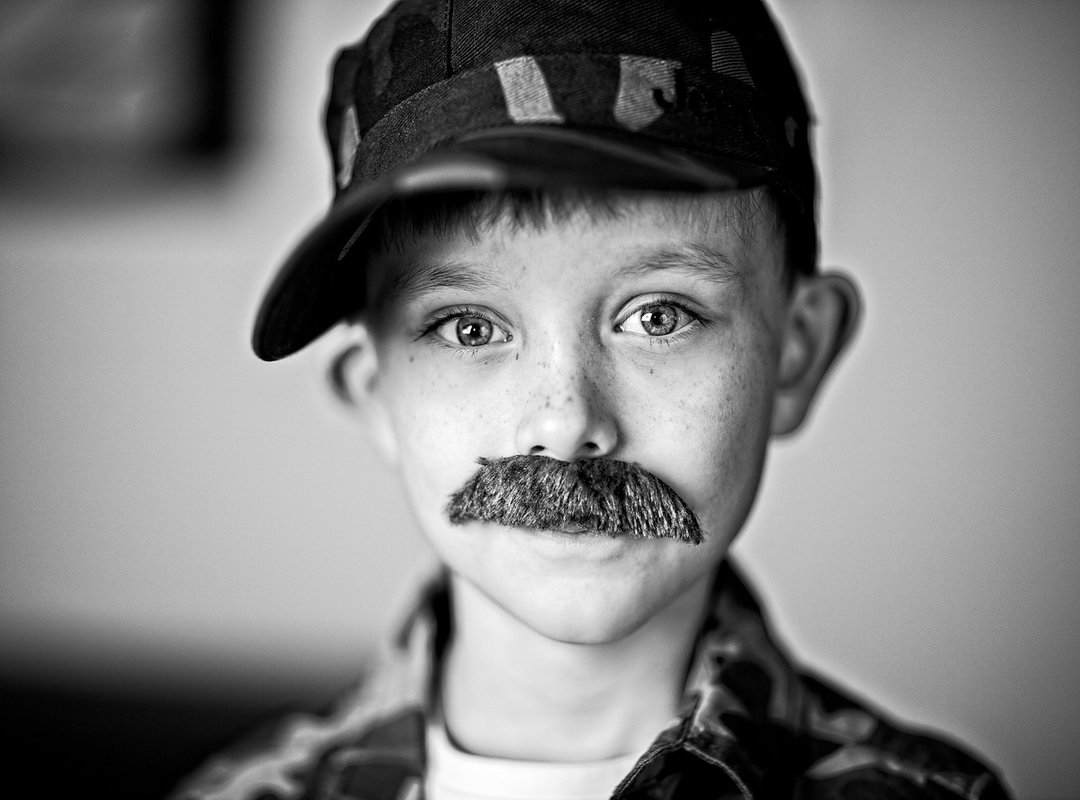
I was scrolling through my social media feed one day when I saw a photo of a friend in a place she’d never been. It looked real, but something felt off, and turns out, it was an AI-generated image.
To spot these fakes, look for unnatural-looking hands and fingers, distorted backgrounds, odd lighting, and waxy skin textures. These are common red flags.
You should also practice digital literacy. Question the source of an image or video before sharing it. Look for corroboration from reputable news outlets.
Protecting your own digital privacy is key, and set your social media profiles to private. Be selective about the photos you share publicly.
If you discover your likeness has been used without consent, take action. Use the platform’s reporting tools, and seek guidance from digital rights organizations.
They can offer support and advice.
A healthy dose of skepticism is the best tool for navigating today’s complex media environment. Remember, not everything you see online is real. Stay vigilant.
Navigating the Future of Digital Media with Awareness and Responsibility
AI image generation is a powerful and permanent part of our digital world, bringing both creative potential and significant ethical risks. The core principles of consent and privacy must apply online just as they do offline. Understanding this technology is the first step toward mitigating its potential harms and using it responsibly. bianca censori fapello.
It’s crucial to shift from passive consumption to active, critical engagement with all forms of online media. Moving forward, the shared responsibility of users, developers, and legislators will be key in building a safer and more ethical digital future.