
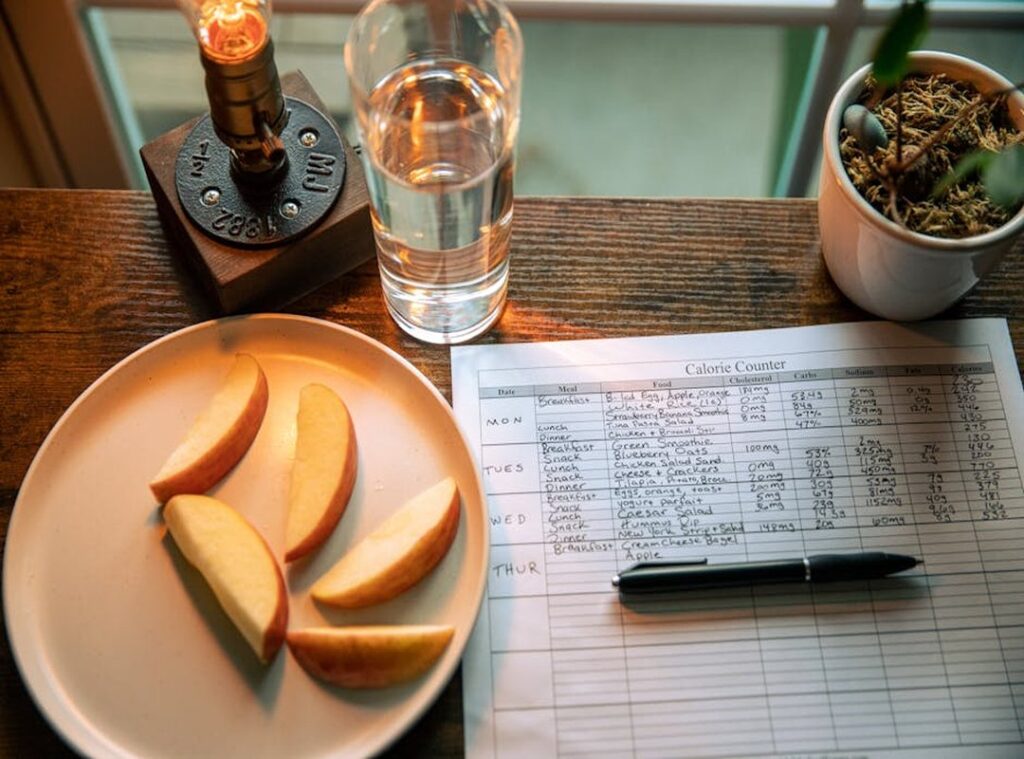
Athletes want to know the secret sauce to peak performance.
Is it just training hard or is there more to it?
I believe the key lies in nutrition planning athletes can trust. You can’t just eat whatever you like and expect to excel.
Every bite matters.
I’ve seen countless athletes overlook this key aspect. They focus on workouts but neglect their fuel. That’s a mistake.
Proper nutrition can be the difference between winning and losing.
In this article, I’ll break down effective nutrition strategies that can boost your game.
We’ll look at what works and what doesn’t, based on real experiences and expert advice.
You’ll gain takeaways into meal planning, timing, and even hydration tips.
So if you’re ready to raise your performance and make smarter food choices, keep reading.
Trust me, your body will thank you.
With the right nutrition plan, you can take your athletic journey to the next level.
The Athlete’s Fuel: Beyond Just ‘Eating Healthy’
When we talk nutrition for athletes, it’s not just about “eating healthy.” It’s an entirely different beast. You need nutrition planning that targets the unique energy and recovery demands of high-intensity training. General healthy eating?
Not enough. Athletes require specific focus on macronutrients like carbohydrates, proteins, and fats. Carbs are your primary fuel (think gasoline for your car), while proteins handle muscle repair.
Fats aren’t just extra calories (they) provide sustained energy and regulate hormones.
But here’s a curveball: micronutrients. Often overlooked, these are key for everything from metabolic processes to immune function. Take iron, for example.
It’s key for oxygen transport, which means breathing easier during those grueling workouts. Calcium? It keeps those bones strong while you push your limits.
Let’s not forget hydration. Even slight dehydration can ruin your performance, mess with thermoregulation, and hinder nutrient transport. Staying hydrated is non-negotiable.
Incorporating these principles into your regimen is like giving yourself a mental training edge performance. It’s about maximizing your potential, not just surviving. So, are you ready to fuel like a champion?
Fueling for Peak Performance: Timing and Ratios
Timing is everything when it comes to nutrition planning athletes. Carbs, for instance, aren’t just a one-size-fits-all deal. Complex carbs like oats and quinoa?
They’re your long-haul buddies. They keep you going through those grueling workouts. But when you need a quick burst, simple carbs are your go-to.
Think bananas or sports drinks right before or during a workout.
Protein is another beast. I can’t stress enough how important it is to spread your protein intake throughout the day. Aim for about 1.6 to 2.2 grams per kilogram of body weight.
This helps muscle repair and synthesis. Don’t dump it all in one meal. Your body deserves better.
Healthy fats often get sidelined, but they’re key. Avocados, nuts, and fatty fish are not just tasty; they fuel hormone production and help with nutrient absorption. They’re the secret weapon for long-duration energy.
Adjusting macronutrient ratios isn’t just for fun. It’s important. Endurance athletes need more carbs, while strength athletes might focus on more protein.
You need to tailor your intake based on your sport and goals. Interested in winning sports nutrition? It’s not just science.
It’s plan, and it can make all the difference.
Tailoring Your Plate: Training and Nutrition Alchemy
When you’re in the ‘Off-Season’ or ‘Base Training’ phase, it’s key to dial in on balanced nutrition. This period is all about muscle building and recovery. I focus on nutrient-dense meals (think) lean proteins and whole grains.
Ever tried a quinoa and grilled chicken salad? It’s a staple in my meal plan during this phase, and it keeps burnout at bay.
Now, when gearing up for ‘Intense Training’ or ‘Pre-Competition’ phases, it’s time to crank up those calories. Carbs become your best friend. (Pasta anyone?) Nutrient timing is key. Loading up on carbs before a workout and protein after ensures energy and repair happen on cue.
But don’t just take my word for it. You can find detailed recovery techniques faster repair here.
Finally, let’s talk about ‘Recovery’ or ‘Rest Days.’ These days are about anti-inflammatory foods (think,) berries and fatty fish. Keep your protein in check for muscle repair, but don’t go overboard with calories. Hydration matters too, but leave the sugary sports drinks behind.
A daily meal might look simple, but purpose-driven: Greek yogurt with berries, a spinach salad with salmon. It adapts to each phase, shifting portion sizes and food choices just enough to keep you at your best.
Game Day Mastery: Precision Nutrition for Peak Performance
Let’s talk about the pre-game meal. Timing is key. Eat 2-4 hours before the game.
Want to avoid stomach issues? Load up on complex carbs. Think oatmeal or brown rice with chicken.
Keep protein moderate, fat and fiber low. Easier on the gut.
During the game, fuel right. You need energy. Fast-digesting carbs are magic here.
Sports drinks, gels, or small snacks work. They keep you going. Ever crashed mid-game?
That’s why this matters.
Post-game recovery? Don’t skip this. Within 30-60 minutes, get those carbs and proteins in.
They’re key for replenishing glycogen and muscle repair. A shake with bananas and whey protein does wonders. Or a turkey sandwich.
Your muscles will thank you.
Hydration is another beast. Pre-hydrate, drink during the game, and rehydrate after. Trust me, maintaining fluid balance fuels performance and speeds up recovery.
A simple plan, yet often ignored.
Nutrition planning athletes need isn’t just about eating. It’s strategic. Miss the timing, and your performance might suffer.
Feel frustrated? I get it. These small tweaks can transform your game day.
Try them. You’ll see what I mean.
Navigating Challenges: Athlete Diet Solutions
Traveling can throw a wrench in any athlete’s diet. Eating on the road? It’s tricky.
But if you’re smart about it, you’ll manage. Pack smart snacks like nuts or protein bars. Research meal options before you hit the ground.
Hotels with kitchens are a goldmine.
Under-fueling is a silent killer. You might think you’re cutting weight, but you’re really cutting performance. And those supplements everyone swears by?
They’re often unproven. Whole foods should be your first choice.
Hydration is another beast. It’s not just about chugging water during games. Consistency is key.
Drink regularly, not just when you’re thirsty. For those with special diets (vegetarian, vegan, gluten-free), nutrient diversity is your best friend. Sometimes, it makes sense to consult a pro for nutrition planning athletes.
Flexibility and listening to your body are key. Your body knows what it needs. Adapt as you go.
The best plan is one that changes with you. Remember, it’s not just about what you eat, but how you eat. Be consistent, yet flexible.
It’s a balancing act.
Your Path to Peak Performance Awaits
You came here seeking clarity on nutrition planning athletes. I get it. The confusion around optimal athlete nutrition can be overwhelming.
It impacts performance and recovery.
The strategies I shared align dietary choices with your training and competition needs. This approach fuels your energy, speeds up recovery, and boosts overall performance.
Now it’s time to act. Set up these strategies and start tracking your progress.
Consider consulting a sports nutritionist for personalized guidance tailored to your unique needs.
Don’t let nutrition be your weak link. Take charge of your performance today. Call or message an expert to fine-tune your plan.
Your victory is waiting.
 Valmira Orrendella is the founder of Tobeca, a platform focused on delivering practical insights into modern sports, athlete performance, and competitive strategy. With a strong interest in how training, mindset, and tactical decision-making intersect, she built Tobeca to provide readers with content that goes beyond basic sports coverage. Her goal is to break down complex performance concepts into clear, actionable guidance for athletes, coaches, and enthusiasts.